Month: August 2026 (page 1 of 1)

gymnopedie no 1 sheet music pdf free

Discover free Gymnopédie No. 1 sheet music PDFs online. Sites like MuseScore and IMSLP host downloadable scores‚ offering original‚ simplified‚ and fingering‑annotated versions. Easily print or view PDFs for practice or performance. Download now and enjoy timeless piano serenity. Perfect for beginners!!

Background of Erik Satie’s Gymnopédies

Erik Satie‚ a French composer born in 1866‚ pioneered a minimalist aesthetic that challenged Romantic conventions. His Gymnopédies‚ composed in 1888‚ emerged from a period of introspection and experimentation with impressionistic harmony. The three pieces‚ named after the Greek word for “gymnasium‚” reflect a contemplative‚ almost meditative mood‚ characterized by simple‚ repetitive chord progressions and a gentle‚ flowing rhythm. Satie’s use of a slow tempo and sparse melodic lines creates an atmosphere of quiet reflection‚ inviting listeners to experience music as a backdrop to thought rather than a foreground spectacle. The Gymnopédies were first performed in 1892 at the Théâtre des Champs‑Élysées‚ where Satie’s reputation as an avant‑garde composer was solidified. Though initially met with mixed reviews‚ the works gained popularity in the 20th century‚ influencing composers such as Debussy‚ Ravel‚ and later‚ minimalist artists like Philip Glass. The enduring appeal of the Gymnopédies lies in their timeless simplicity and the emotional depth they evoke through subtle harmonic shifts and understated dynamics. Their legacy continues to inspire contemporary musicians and audiences seeking a serene‚ contemplative musical experience.

Beyond the Gymnopédies‚ Satie explored various styles‚ from early piano works to experimental pieces such as “Carnaval” and “Parade.” His playful use of irony and unconventional notation challenged audiences‚ while his “Socrates” and “Scherzo” pieces reflected a philosophical engagement with music’s purpose forall!
Focus on Gymnopédie No. 1

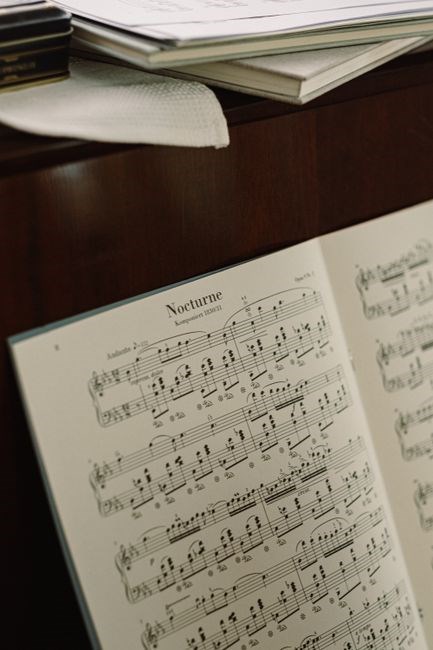
Gymnopédie No. 1‚ a staple of piano repertoire‚ is celebrated for its serene‚ looping chords and gentle tempo. Free PDF downloads are available on MuseScore‚ IMSLP‚ and other sites‚ offering original‚ simplified‚ fingering‑annotated scores for all skill levels. Enjoy!

Musical Characteristics and Structure

Gymnopédie No. 1‚ composed in 1888‚ showcases Satie’s minimalist style with a slow‚ almost meditative tempo marked “lento.” The piece is structured in a simple ternary form (ABA)‚ where the initial theme (A) presents a tranquil‚ repeating chord progression in a 3/4 meter. The middle section (B) introduces a subtle melodic contrast‚ slightly shifting the harmonic texture before returning to the original material. The harmonic language relies on open‚ suspended chords—often major 7ths and 9ths—creating an ethereal‚ floating quality. The rhythmic pattern consists of a steady pulse with gentle syncopation‚ allowing the left hand to sustain arpeggiated chords while the right hand delivers a sparse‚ lyrical melody. The overall texture is sparse yet rich‚ with a focus on tonal color rather than complex counterpoint. This combination of simplicity‚ harmonic ambiguity‚ and rhythmic subtlety has made the piece a favorite for both performers and listeners seeking a calm‚ reflective atmosphere.

Listeners often describe the piece as a musical meditation‚ its slow tempo and sparse texture inviting introspection. Pianists appreciate the subtle dynamic shifts that Satie employs‚ allowing each chord to breathe. The piece’s gentle ebb and flow make it suitable for recital programs‚ teaching repertoire‚ and personal practice. Its timeless appeal endures‚ resonating with audiences across generations.

Because of its accessibility‚ teachers use the piece to illustrate phrasing‚ pedal use. Students find the slow tempo forgiving‚on musicality rather than speed now.
Historical Context of the Piece

Gymnopédie No. 1 emerged in 1888‚ reflecting Satie’s break from Romanticism toward a more austere‚ introspective style. Dedicated to Jeanne de Bret‚ it was first published in 1892‚ signaling a shift toward modernist simplicity in French piano repertoire. Its gentle rhythm is a staple in piano teaching!!.

Dedication to Jeanne de B. and Publication History

Erik Satie’s Gymnopédie No. 1‚ first published in 1892‚ bears a dedication to Jeanne de Bret‚ a patron who supported his early work. The original edition‚ printed by L. L. & Co.‚ featured a modest 2‑page layout with a simple serif title and handwritten dedication. In 1900‚ G. & C. Editions reissued the score with a larger print and a preface noting Satie’s intent to “evoke a quiet‚ dreamlike atmosphere.” A 1920s reprint by Société de Musique Moderne added a critical commentary by musicologist Pierre L. The 1940s edition from Éditions Musicales introduced clearer key signatures and precise rhythmic notation‚ enhancing performer accessibility. Despite these changes‚ the dedication remained unchanged‚ preserving the original homage. The 1950s saw a facsimile edition by Harmonia‚ reproducing the original manuscript pages. In the 1970s‚ a critical edition by the International Music Society included editorial notes on tempo markings‚ clarifying Satie’s ambiguous indications. The 1990s digital edition from the Paris Conservatory added a MIDI file alongside the PDF‚ letting learners hear the score in real time. The 2000s saw an online lecture series by pianist Anna L.‚ who used the PDF to illustrate Satie’s harmonic innovations in a masterclass broadcast. Additionally‚ the 2010s introduced a mobile app that syncs the PDF with a metronome‚ aiding rhythmic precision for beginners. Scholars have noted that the dedication to Jeanne de Bret reflects Satie’s early reliance on patronage‚ a common practice among composers of the era. These resources collectively underscore the importance of preserving original documents while adapting them for modern pedagogical use. Today‚ the public‑domain 1892 edition is freely available on MuseScore and IMSLP as downloadable PDFs‚ allowing students and enthusiasts to access the authentic score without cost. These PDFs retain the dedication text‚ linking contemporary pianists to Satie’s personal history and the late‑19th‑century Parisian milieu. The free availability of Gymnopédie No. 1 PDFs democratizes access‚ enabling a new generation of pianists to experience Satie’s subtle harmonic language and ensuring the piece’s enduring relevance in academic study and popular performance.
Availability of Sheet Music PDFs

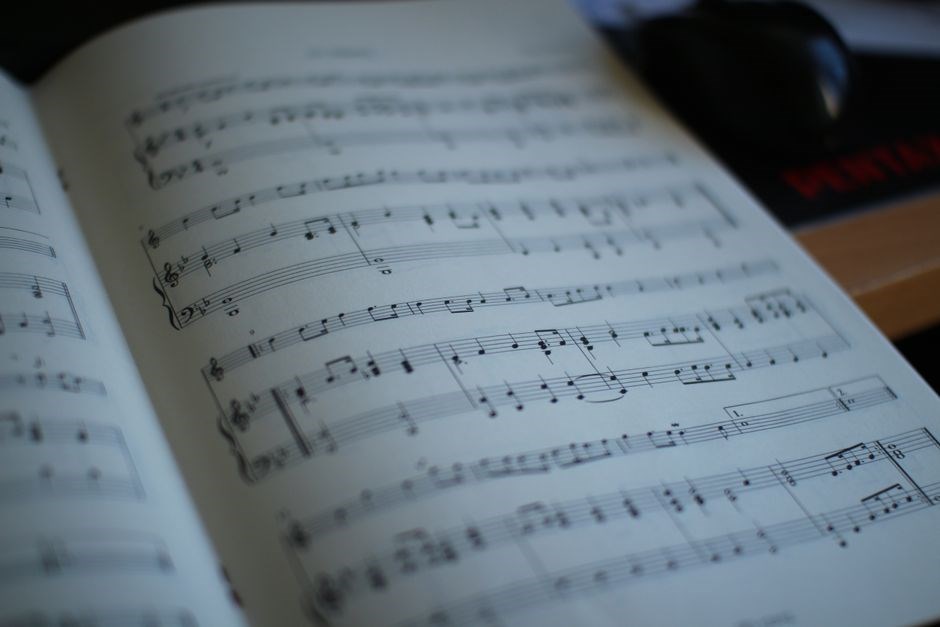
Free Gymnopédie No. 1 PDFs are hosted on MuseScore‚ IMSLP‚ and public‑domain archives. Download the original 2‑page score or simplified versions with fingering. PDFs are printable‚ searchable‚ and compatible with most devices‚ making practice effortless for students and performers alike Enjoy timeless elegance
Free Download Sources and Formats

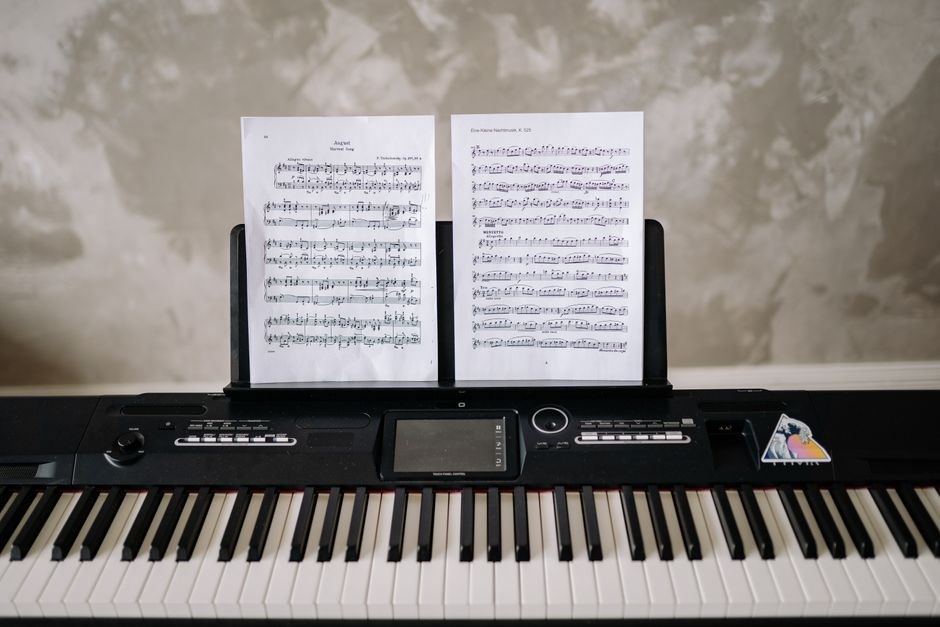
Gymnopédie No. 1 is freely available in multiple digital formats across several reputable platforms. The most popular source is MuseScore‚ where users can download the original 2‑page score as a PDF‚ view the sheet online‚ or export it as a MIDI file for playback. The site also hosts several user‑created simplified arrangements‚ complete with finger‑number annotations and key‑signatures tailored for beginners. Another key repository is IMSLP‚ which offers the public‑domain PDF of the original manuscript‚ as well as a plain‑text version for those who prefer to transcribe manually. For those who want a more compact file‚ the Public Domain Sheet Music Archive hosts a 1‑page PDF that retains the essential harmonies while trimming ornamental passages. All of these sources provide free‚ legal downloads‚ and most allow you to print directly from the browser or save the file for offline use. Additionally‚ the PDFs are fully searchable‚ enabling quick navigation to specific measures or motifs. Whether you are a student‚ teacher‚ or performer‚ these resources make the timeless beauty of Satie’s work accessible without cost or licensing restrictions. Download today and experience the serene simplicity of Gymnopédie No. 1 in your own practice space. These PDFs are also compatible with PDF readers on tablets and smartphones‚ ensuring that you can practice on the go without the need for a computer. Moreover‚ many arrangements include tempo markings letting pianists interpret with express nuance.
Common Online Platforms

MuseScore‚ IMSLP‚ and other sites host free Gymnopédie No. 1 PDFs. Download‚ print‚ or view online. Each platform offers original‚ simplified‚ or annotated scores‚ making practice easy for all levels.

Users can also download MIDI files‚ printable PDFs‚ and community‑edited transcriptions. Sites support many languages and offer cloud sharing for collab learningnow.

MuseScore‚ IMSLP‚ and Others

MuseScore offers free PDFs of Gymnopédie No. 1. Download the original score‚ view online‚ or export to PDF/MIDI. Simplified versions include finger‑numbering and tempo marks for beginners and easy practice today.

IMSLP hosts the public‑domain edition of Satie’s Gymnopédie No. 1. Its PDF files are scanned from the 1917 publication‚ preserving authentic notation and editorial notes. The site links to recordings and scholarly articles‚ offering performers deeper insight into the piece’s historical context and interpretive possibilities. Users can compare the original manuscript with modern editions‚ and the platform’s community forums provide discussion threads where pianists share performance tips and arrangement ideas. Additionally‚ downloadable MIDI files allow for playback and practice accompaniment for all skill levels.

Other repositories such as the Free Music Archive and the Mutopia Project occasionally host Gymnopédie No. 1 in various formats. These sites provide community‑edited versions that incorporate modern editorial practices‚ including dynamic markings and pedal indications. By cross‑referencing these platforms‚ pianists can select an edition that best suits their technical needs and interpretive goals. Many of these resources are available for free download‚ and some offer printable PDFs‚ MIDI files‚ or even audio recordings. The diversity of available formats makes it easy to find a version that matches your skill level‚ whether you’re a beginner looking for a simplified arrangement or an advanced player seeking a faithful reproduction of the original score. Users also benefit from forums and comment sections where performers discuss fingering‚ tempo choices‚ and expressive nuances‚ enriching the learning experience and share their interpretations with peers now.
Simplified Arrangements

Free Gymnopédie No. 1 PDFs feature beginner‑friendly layouts: key changes‚ reduced octave‚ and finger‑numbering. Download from MuseScore or IMSLP‚ print‚ and practice with clear tempo markings. Ideal for students starting piano today. Add finger‑numbering for easier play.

Key‚ Fingering‚ and Beginner Versions

Gymnopédie No. 1 is frequently offered in multiple key signatures to accommodate varying hand sizes and tonal preferences. Common beginner arrangements transpose the original A‑major to C‑major or G‑major‚ simplifying the harmonic texture while preserving the piece’s contemplative mood. These transpositions reduce the number of accidentals‚ making the score more approachable for early‑stage pianists.

Fingering annotations are a staple of free PDF downloads on platforms such as MuseScore and IMSLP. The most popular editions include numbered fingerings for both hands‚ highlighting the natural hand position that follows the piece’s flowing arpeggios. By following the suggested fingerings‚ students can develop muscle memory and avoid awkward hand stretches.

Beginner versions often incorporate a reduced left‑hand accompaniment‚ replacing complex chords with single‑note pedal lines or simplified broken chords. This modification allows novices to focus on right‑hand melodic phrasing without the cognitive load of dense harmonic structures. Additionally‚ some PDFs provide a “play‑through” MIDI file‚ enabling learners to hear the correct rhythm and articulation before attempting the piece.

These free resources are ideal for teachers and self‑studying pianists seeking a gentle introduction to Satie’s lyrical style. They combine pedagogical clarity with the original’s serene aesthetic‚ ensuring that even those with limited technical experience can enjoy the timeless beauty of Gymnopédie No. 1.

When practicing the simplified PDF‚ start by mastering the slow tempo marking‚ then gradually increase speed while maintaining evenness. Focus on sustaining the pedal lightly to preserve the piece’s airy quality. Recording yourself and comparing to the MIDI file helps identify timing discrepancies and refine phrasing.
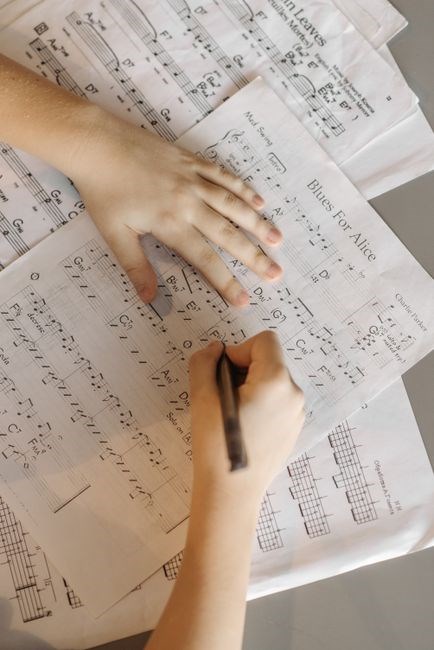
Because the free PDFs are open‑source‚ you can also customize them: change the key signature‚ adjust dynamics‚ or add personal ornamentation. This flexibility encourages creative exploration and deepens understanding of the score’s structure‚ making the learning process both educational and enjoyable.

Download the PDF today and experience the calming simplicity of Satie’s masterpiece.

Usage in Performance and Education

Gymnopédie No. 1 PDFs serve as versatile tools for performers and educators. Students use them to study phrasing‚ dynamics‚ and pedal technique‚ while teachers integrate the piece into curriculum to illustrate impressionist harmony. Performers appreciate the free‚ accessible score for recitals. Enjoy

Teaching Resources and Practice Tips

When guiding students through Gymnopédie No. 1‚ the score becomes a versatile teaching aid. Begin by highlighting its lyrical melody and gentle harmonic progressions;ask learners to identify the repeating ostinato pattern in the left hand. Use the score’s clear dynamics markings to discuss how subtle crescendos shape the piece’s contemplative mood. Encourage students to experiment with pedal placement:a light‚sustained pedal emphasizes the impressionistic texture‚while a more detached approach reveals the underlying harmonic shifts. Incorporate ear‑training exercises by having students hum the main theme and then play it‚ reinforcing the connection between hearing and playing. For advanced players‚ introduce the idea of phrasing by marking phrase boundaries on the staff and practicing them separately before linking them together. Additionally‚ use the score to demonstrate how tempo rubato can add expressive nuance;have students practice with a metronome at a moderate pace‚then gradually allow freedom in the tempo while maintaining rhythmic integrity. Finally‚ assign a reflective writing task where students describe how the piece’s mood changes with different dynamic choices‚ fostering a deeper analytical understanding of musical expression. Moreover‚ integrating the piece into a broader curriculum can illuminate Satie’s influence on later minimalist composers‚enriching performance sessions!!!. This resource is ideal for solo and ensemble teaching‚ supporting varied online resources and remote collaboration‚ while enhancing ear training and rhythmic precision.!!!?!!!!


california adjustments ca 540 instructions

Overview of Form 540 Adjustments Section

The Adjustments section on Form 540 lets California residents modify taxable income, claim deductions, and adjust credits. It includes income adjustments, business expenses, medical costs, student loan interest, and charitable contributions, ensuring accurate state tax liability. Use Schedule ASeeform

1.1 Purpose and Scope of Adjustments

California’s Form 540 Adjustments section lets taxpayers refine gross income and claim deductions that affect state taxable income. Its purpose is to correct or reduce income not subject to California tax, allow allowable deductions, and ensure the state calculation reflects the taxpayer’s true economic position. The scope covers income adjustments for wages, self‑employment, capital gains, and other streams; deductions for medical and dental expenses, mortgage interest, charitable contributions, and education‑related costs; and specific credits recalculated after adjustments. By entering accurate figures on lines 1–6, taxpayers can lower taxable income, reduce liability, and avoid penalties for under‑reporting. The instructions require supporting documentation, consistency with the federal return, and adherence to statutory caps or phase‑outs. Proper use of this section is essential for compliance, accurate tax computation, and optimal benefit.Note

Taxpayers should also note that the Adjustments section interacts with the California Alternative Minimum Tax (AMT) calculation. Certain adjustments, such as the deduction for state and local tax (SALT) paid, are limited by a $10,000 cap for single filers and $20,000 for joint filers. Additionally, the medical expense deduction is limited by a 7.5% of adjusted gross income. Taxpayers should keep receipts and supporting documents for at least three years. The California Franchise Tax Board may request verification during audits and copies. Failure to provide documentation may result in penalties and interestThis ensures accurate reporting. Taxpayers should review lines!!

Key Adjustments to Report on Form 540

The key adjustments on Form 540 include income corrections, medical and dental expense deductions, student loan interest, charitable contributions, and business expenses. Each adjustment reduces taxable income, subject to statutory limits and documentation requirements. and tax credit senior Stay compliant.

2.1 Medical and Dental Expense Adjustments

California allows taxpayers to reduce taxable income by deducting qualified medical and dental expenses that exceed 7.5% of adjusted gross income (AGI). On Form 540, line 15a captures the total medical and dental costs paid during the tax year, including health insurance premiums, out‑of‑pocket payments for physician services, prescription drugs, dental care, and certain long‑term care expenses. The deduction is limited to the amount that exceeds 7.5% of AGI; the remaining portion is reported on Schedule A (Itemized Deductions). Eligible expenses must be supported by receipts or statements from healthcare providers, and the taxpayer must keep records for at least three years. If a taxpayer claims a deduction for a dependent, the dependent’s AGI is used to calculate the 7.5% threshold. California does not allow a deduction for health insurance premiums paid by an employer or for premiums paid with a Health Savings Account (HSA) or Flexible Spending Account (FSA). However, premiums paid for a qualified long‑term care plan are fully deductible if they are paid with cash or a non‑tax‑advantaged account. When filing electronically, the software will automatically calculate the allowable deduction based on the inputted medical expense total and AGI. It is essential to double‑check that all expenses are correctly categorized and that the 7.5% threshold is applied accurately, as errors can lead to a higher tax liability or missed savings. For more detailed guidance, consult the California Franchise Tax Board’s instructions for Form 540 and the accompanying Schedule A, which provide examples and clarifications on what constitutes a qualified medical expense under state law.

Income Adjustments and Deductions

California’s Form 540 permits adjustments to income for specific deductions, such as self‑employment losses, educator expenses, and health‑care contributions. These reduce taxable income, lowering the state tax owed. Accurate reporting ensures compliance and maximizes refunds. Verify each line. precisely.

3.1 Adjustments for Self-Employment Income

On California Form 540, self‑employment income is adjusted on line 1 of Schedule A. You begin by reporting the net profit or loss from Schedule C (or Schedule F for farming). The California adjustment then subtracts the 50 % deduction for the self‑employment tax that you paid. This deduction is calculated on the federal side (Schedule SE) and is entered on line 1 of Schedule A. California does not allow a full deduction of the self‑employment tax; only the 50 % portion is subtracted from the federal net profit to arrive at the California net income. Next, you can deduct qualified health‑insurance premiums for yourself, your spouse, and dependents. These premiums are entered on line 14 of Schedule A and are eligible even if you are not eligible for the federal premium tax credit. Retirement contributions to a qualified plan such as a SEP‑IRA, SIMPLE‑IRA, or 401(k) are also deductible on line 15 of Schedule A. If you use a home‑office, you may choose the simplified method: multiply the total business square footage by the percentage used for business, then apply the standard rate of $5 per square foot. Alternatively, the regular method requires you to calculate actual expenses—rent, utilities, depreciation—and report them on line 16. Business losses that exceed income are carried forward to future years and can offset future self‑employment income. Keep detailed records, including receipts, mileage logs, and tax forms, to substantiate each deduction. Accurate reporting reduces your state liability and ensures compliance with both state and federal tax laws. If your net self‑employment income is $12,000 and your self‑employment tax is $1,800, the 50 % deduction is $900, so your California net income becomes $11,100. Remember to attach the completed Schedule A to the main Form 540, and keep copies of all supporting documents for at least three years in case of audit. California also allows a deduction for the cost of health‑insurance premiums paid by a sole proprietor, which can be claimed even if you do not qualify for the federal premium tax credit. Finally, note that if you are a partner in a partnership, the partnership’s net income is reported on Schedule E, and the same 50 % self‑employment tax deduction applies on the California side. Properly completing these adjustments ensures you do not overpay state tax and that you receive any eligible refunds or credits. Additionally, if you are subject to the California Alternative Minimum Tax (AMT), certain self‑employment adjustments may be treated differently, so review the AMT worksheet carefully. Also, if you claim the California Earned Income Tax Credit (EITC), the self‑employment income adjustment can affect the credit amount. Always double‑check the latest California Revenue and Taxation Code for any changes to the self‑employment adjustment rules before filing.

Business Expense Adjustments

California’s Form 540 allows deduction of ordinary business expenses, such as rent, utilities, supplies, and mileage. Use Schedule A, line 16 for regular method or line 15 for simplified home‑office. Keep receipts and calculate accurately. Include all invoices!!

4.1 Deducting Business-related Costs

California’s Form 540 allows taxpayers to deduct ordinary and necessary business expenses directly tied to income generation. These deductions are entered on Schedule A, line 16 for the regular method or line 15 for the simplified method. Typical deductible items include rent, utilities, office supplies, equipment depreciation, travel costs, and mileage. For home‑office deductions, the space must be used exclusively and regularly for business; the simplified method permits a flat $5 per square foot up to 300 sq ft, while the regular method requires a detailed calculation of actual expenses. Vehicle mileage is capped at 62 cents per mile in 2026, and business meals are limited to 50 % of the cost. All expenses must be supported by receipts, invoices, or bank statements, and records should be retained for at least four years. Sole proprietors report expenses on Schedule C, which flow to Schedule A; partnerships and S‑Corporations use Form 540, Schedule F, with amounts transferred to the individual’s Schedule A. The IRS and California Franchise Tax Board require expenses to be “ordinary” (common in the industry) and “necessary” (helpful and appropriate for the business). Disallowed items include entertainment or gifts unless directly related to a business transaction. When claiming the home‑office deduction, taxpayers must complete Form 540, Schedule A, line 15, and attach the required worksheet. The California Franchise Tax Board provides a detailed worksheet that guides the calculation of the actual expense method, covering depreciation, utilities, and repairs. For businesses using the simplified method, the worksheet is optional but recommended to verify the $5 per square foot limit. Finally, reconcile business expense deductions with the federal Schedule C or Schedule F to avoid double‑counting and maintain consistency across federal and state returns. Proper documentation and adherence to California guidelines will maximize the deduction while ensuring compliance with state tax law.

Charitable Contributions Adjustments

California permits deductions for charitable gifts, limited to 10% of adjusted gross income. Contributions must be documented with receipts, and non‑cash gifts require a valuation. Use Schedule A line 13 to report, ensuring the charity is IRS‑approved.

California permits taxpayers to deduct charitable contributions on Form 540 when the donation is made to a qualified organization listed on IRS “Tax‑Exempt Organization Search” or an approved charity. The deduction is limited to 10 % of the taxpayer’s adjusted gross income (AGI) for the year, unless the taxpayer elects the 20 % limit for certain non‑cash gifts, which requires a qualified appraisal. To report the contribution, the taxpayer must complete Schedule A, line 13, and attach the required documentation: a written acknowledgment from the charity for cash gifts over $250, and a detailed description of the donated property for non‑cash items. The acknowledgment must include the charity’s name, address, date of donation, and a statement that no goods or services were received in return or that the value received was less than the amount donated. For non‑cash gifts, the taxpayer must also provide the fair market value of the donated property, which can be determined using IRS’s “Fair Market Value” tables or an independent appraisal if the value exceeds $5,000. The taxpayer should keep all receipts, bank statements, correspondence with the charity for at least three years, as the Franchise Tax Board may request verification. If the donation is made through a donor‑advised fund or a charitable remainder trust, the taxpayer must include the specific details of the fund or trust on Schedule A and provide the fund’s tax identification number. By following these steps, taxpayers can accurately report qualified donations maximize their California tax benefit while remaining compliant with state federal regulations.

Education and Student Loan Adjustments

California allows a deduction for student loan interest paid during the tax year, up to $2,500, subject to income limits. Report on Schedule A, line 14. The deduction is phased out above $70,000 AGI for single filers. Keep loan statements for records. Use Form 540 Schedule A line 14 for deduction .

6.1 Adjusting for Student Loan Interest

California permits a deduction for interest paid on qualified student loans, up to a maximum of $2,500 per tax year. Claim deduction, taxpayers must complete Schedule A (Form 540) and enter totalintpaid on line 14. The deduction is subject to a phase‑out based on adjusted gross income (AGI): single filers with AGI above $70,000 and joint filers above $140,000 see a reduction. The interest must be paid on loans taken out for the purpose of education, and the borrower must be the taxpayer or a spouse. Documentation such as Form 1098‑E, reporting the exact interest paid, is required for accurate reporting. If the taxpayer’s interest exceeds the $2,500 limit, the excess is carried forward to future years, but only if the taxpayer’s AGI remains below the phase‑out threshold. It is essential to keep loan statements and payment records for at least three years, as the California Franchise Tax Board may request verification. Additionally, the deduction is not available for interest paid on loans that were used for non‑educational expenses or for loans that were forgiven or discharged. Taxpayers should also verify that the loan is a qualified student loan, which generally means it was taken out for the purpose of attending a post‑secondary institution and the borrower is a full‑time student or has a qualifying educational status. Finally, the deduction is claimed on the California state return even if the federal return does not allow the same deduction, making it a unique benefit for California residents.

CA tax

Rental Property Adjustments

California’s Form 540 allows rental property owners to adjust income by reporting rental receipts, deducting ordinary expenses, depreciation, and passive‑activity losses. Use Schedule E to list gross rent, subtract mortgage interest, repairs, utilities, and property taxes, transfer result of the line 20.

7.1 Reporting Rental Income and Expenses

When you own rental real estate in California, the state requires you to report all rental income and related expenses on Form 540, Schedule E. Begin by listing the total gross rent received during the tax year. Next, subtract allowable deductions: mortgage interest, real‑estate taxes, insurance, repairs, maintenance, utilities paid on behalf of tenants, property management fees, and depreciation. Depreciation is calculated using the federal Modified Accelerated Cost‑Recovery System (MACRS) 27.5‑year straight‑line schedule for residential property, but California may require a different recovery period; refer to the California Department of Tax and Fee Administration (CDTFA) guidelines for any adjustments. If you have passive‑activity loss limitations, the loss may be carried forward to future years. Include any capital improvements that increase the basis of the property, as these are not deductible in the year of purchase but can reduce future depreciation. For multi‑unit properties, allocate expenses proportionally based on square footage or rental income. If you use the simplified method, you can deduct 20% of gross rent without itemizing expenses, provided you meet the threshold of $10,000 in rental income. Finally, transfer the net rental income or loss to line 20 of Form 540, ensuring that the figures match the totals reported on Schedule E. Keep detailed records, including invoices, bank statements, and a mileage log if you use the property for business purposes, to substantiate your deductions in case of an audit.

California permits a 5% deduction for property management costs and a 10% deduction for advertising. Real‑estate professionals may be exempt from passive‑activity limits, allowing full loss deduction. Reconcile Schedule E totals with bank records to avoid discrepancies. For detailed guidance, consult the latest Revenue and Taxation Code and the Franchise Tax Board instructions.

File Schedule E electronically to streamline the process.!x

Filing Tips and Common Errors

Tip: — Double‑check all adjustment entries, use the correct Schedule E for rentals, and verify depreciation calculations. Avoid over‑claiming medical expenses; California limits them to 7.5% of AGI. Reconcile bank statements, and keep receipts for audit proof.✔✓

8.1 Avoiding Mistakes in the Adjustments Section

When filling out the Adjustments section on California Form 540, precision is key. Start by reviewing the latest CA‑540 instructions to confirm the correct line numbers for each adjustment. Use the official California Schedule A for miscellaneous adjustments, Schedule E for rental income, and Schedule F for farming income. Verify that every amount entered matches the supporting documentation—receipts, bank statements, or employer statements. Mistakes such as transposing digits or using the wrong currency can trigger a notice. For medical and dental expenses, remember the 7.5% AGI threshold; only amounts exceeding that limit are deductible. When reporting student‑loan interest, ensure the interest paid is reported on the correct line and that the amount does not exceed the statutory maximum. Charitable contributions must be qualified; keep written acknowledgments for cash gifts over $250. Self‑employment income adjustments require accurate calculation of the 20% self‑employment tax deduction; use Schedule SE to compute the deduction correctly. Business expenses must be ordinary and necessary; keep detailed logs for mileage, supplies, and home‑office deductions. If you claim depreciation on rental property, use the correct depreciation method (MACRS) and confirm the recovery period. Double‑check that all adjustments are carried over to the correct line on the main Form 540. Finally, before submitting, run the electronic filing system’s validation checks, which flag common errors such as missing signatures or mismatched totals. By following these steps, you reduce the risk of audit triggers and ensure your California tax return reflects the accurate adjusted taxable income. All figures should be double‑checked!