Article Plan: Easy Walk Harness Instructions PDF
This comprehensive guide details the Easy Walk Harness, covering sizing, fitting, usage, and care, referencing the official Petsafe PDF and related resources for optimal dog walking.
The Easy Walk Harness is a popular choice for dog owners seeking a gentle and effective solution to leash-pulling. Designed to discourage dogs from pulling during walks, this harness redirects their attention and encourages a more relaxed and enjoyable experience for both pet and owner. This guide provides a detailed walkthrough of the harness, referencing the official Petsafe PDF instructions and supplementary materials.
Understanding the harness’s mechanics and proper fitting are crucial for its effectiveness. We’ll explore the components, sizing, and step-by-step instructions for secure application. Beyond application, we’ll cover effective leash handling techniques and troubleshooting common issues like slipping or discomfort. Proper care and maintenance will also be addressed, ensuring the longevity of your harness. This resource aims to empower you with the knowledge to utilize the Easy Walk Harness to its full potential, promoting comfortable and controlled walks for you and your canine companion.
What is the Easy Walk Harness and Why Use It?
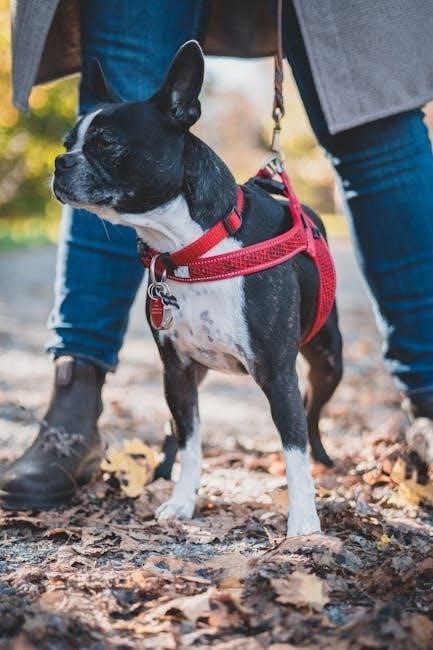
The Easy Walk Harness, manufactured by Petsafe, is a front-clip harness specifically engineered to minimize leash pulling. Unlike traditional collars or back-clip harnesses, the Easy Walk gently steers your dog to the side when they attempt to pull, discouraging the behavior without causing discomfort. This makes it ideal for dogs of all sizes and breeds prone to pulling, including strong or energetic pups.
The primary benefit is a more enjoyable walking experience for both you and your dog; Reduced pulling translates to less strain on your arms, shoulders, and your dog’s neck. The harness promotes better control and allows for more relaxed walks, fostering a stronger bond. Referencing the official PDF instructions ensures correct usage, maximizing its effectiveness and preventing potential issues. It’s a humane and effective training aid, promoting better walking manners.
Benefits of Using a No-Pull Harness
Employing a no-pull harness, like the Easy Walk, offers numerous advantages for both dog and owner. Primarily, it discourages pulling by gently redirecting the dog’s attention when tension is applied to the leash. This avoids pressure on the trachea, unlike collars which can cause choking or neck strain. The harness promotes a calmer, more controlled walking experience, reducing stress for everyone involved.
Beyond comfort, a no-pull harness aids in training. It allows owners to consistently guide their dog without rewarding pulling behavior. The official Petsafe PDF instructions emphasize proper fitting and leash attachment for optimal results. Consistent use can lead to improved leash manners and a more enjoyable outing. It’s a valuable tool for dogs recovering from injury or with joint issues, minimizing strain during walks.
Understanding the Harness Components
The Easy Walk Harness comprises several key components working together to provide a comfortable and effective no-pull experience. These include the chest strap, designed to sit across the dog’s sternum, and the shoulder straps, which loop around the dog’s chest. A back strap secures the harness, preventing slippage and ensuring a snug fit.
The harness features front and back leash attachment points; the front clip is crucial for the no-pull function, redirecting the dog’s movement. Durable nylon construction ensures longevity, while adjustable straps allow for a customized fit. The official Petsafe PDF instructions detail each component and its role in proper harness function. Understanding these parts is vital for correct application and maximizing the harness’s benefits, as outlined in available resources.
Identifying the Different Parts of the Harness
The Easy Walk Harness features distinct parts, each serving a specific purpose for comfortable and effective control. Key components include the front chest strap, designed to gently discourage pulling, and the rear back strap, providing stability. Shoulder straps loop around the dog’s chest, distributing pressure evenly.
Buckles and sliders allow for adjustable sizing, ensuring a secure fit. The leash attachment rings – front and back – are crucial; the front ring is for no-pull functionality. The harness material is typically durable nylon. Referencing the official Petsafe PDF instructions is essential for visually identifying each part and understanding its function. Correctly identifying these components is the first step towards proper fitting and maximizing the harness’s benefits during walks and training, as detailed in available guides.
Harness Sizes and Choosing the Right Fit
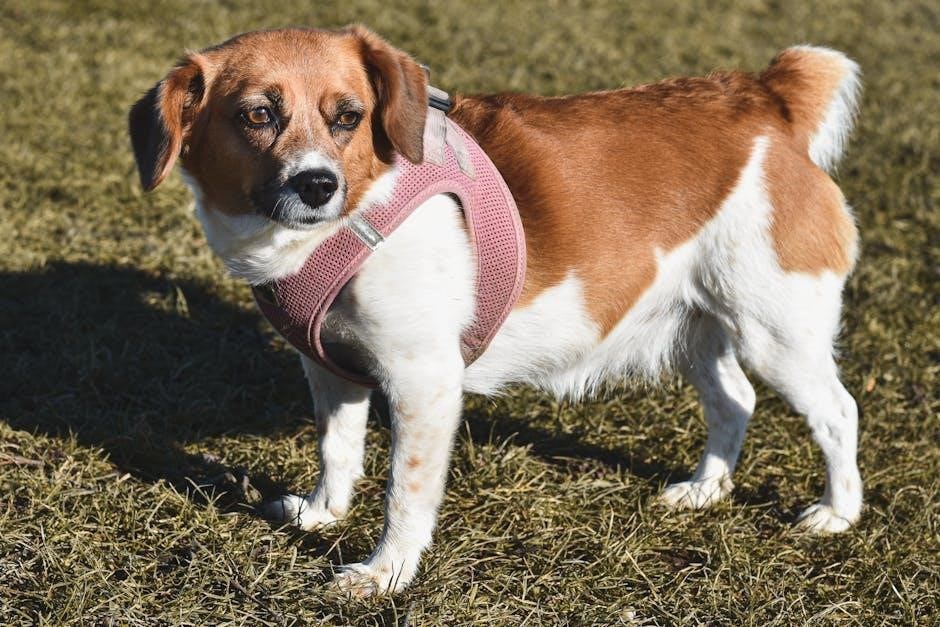
Selecting the correct harness size is paramount for your dog’s comfort and the harness’s effectiveness. Easy Walk Harnesses are available in multiple sizes, typically ranging from XX-Small to Extra-Large. However, relying solely on weight isn’t sufficient; breed and chest circumference are critical factors.
The official Petsafe sizing guide, often included in the PDF instructions, provides detailed measurements. Always measure your dog’s chest girth – the widest part behind the front legs – before ordering. A snug, but not tight, fit is ideal. The harness shouldn’t restrict movement or rub against the skin. Consulting the size chart and carefully measuring ensures a secure and comfortable experience, preventing slippage or discomfort during walks and training sessions. Prioritize accurate measurement for optimal results.
Measuring Your Dog for the Harness
Accurate measurements are crucial for a properly fitted Easy Walk Harness. You’ll need a flexible measuring tape. First, measure your dog’s chest girth – wrap the tape around the deepest part of their chest, just behind the front legs. Ensure the tape is snug but not tight, allowing for comfortable breathing.
Record this measurement in inches or centimeters. Next, consider your dog’s breed and build. Some breeds have broader chests or unique body shapes. Refer to the official Petsafe sizing chart (found in the PDF instructions) and compare your dog’s chest measurement to the corresponding size range. If your dog falls between sizes, it’s generally recommended to choose the larger size for a more comfortable fit and avoid constriction. Double-check your measurements before ordering!
Easy Walk Harness Size Chart (Based on Weight & Breed)
The Easy Walk Harness is available in multiple sizes to accommodate a wide range of dog breeds and weights. Please note that weight is a general guideline; chest measurements are more accurate.
Small: 14-22 lbs (6.3 ― 10 kg) – Chest: 16-20 inches (41-51 cm). Medium: 22-55 lbs (10-25 kg) – Chest: 20-26 inches (51-66 cm). Large: 55-90 lbs (25-41 kg) – Chest: 26-32 inches (66-81 cm). Extra Large: 90+ lbs (41+ kg) – Chest: 32-40 inches (81-102 cm).
These ranges are approximate; always prioritize chest measurement. The official Petsafe PDF instructions contain the most up-to-date and detailed sizing information, including breed recommendations. Always consult the chart before purchasing to ensure a secure and comfortable fit for your canine companion.
Step-by-Step Instructions: Putting On the Harness
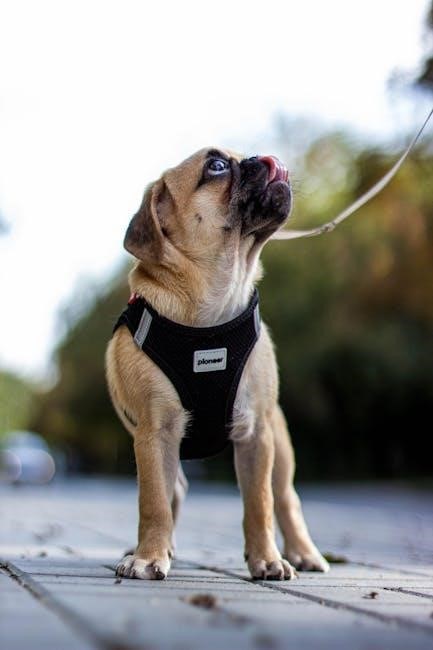
Follow these clear, sequential steps to correctly and safely apply the Easy Walk Harness to your dog, ensuring a comfortable and effective walking experience.
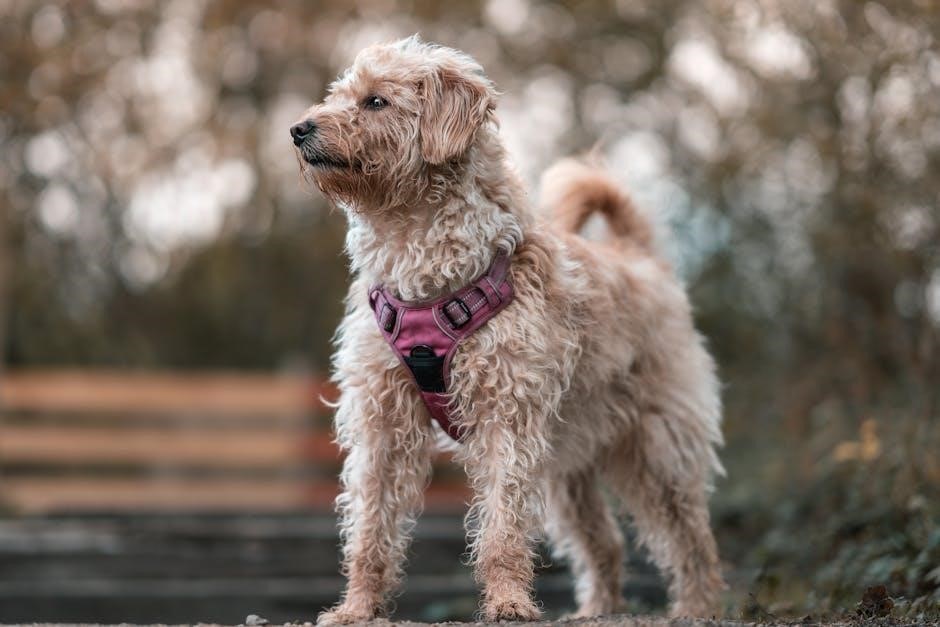
Step 1: Loosening the Straps
Before attempting to put the Easy Walk Harness on your dog, it’s crucial to fully loosen all straps. This initial step ensures a stress-free experience for your pet and allows for easier positioning. Begin by extending the chest strap to its maximum length using the sliders. Next, completely loosen both shoulder straps, allowing ample room for your dog’s movement. Finally, ensure the back strap is also fully extended.
Loosening the straps prevents any initial discomfort or resistance from your dog, making the introduction to the harness more positive. A properly loosened harness allows you to easily maneuver it onto your dog without causing constriction or anxiety. Remember, a comfortable dog is more receptive to training and enjoyable walks. Don’t skip this vital preparatory step!
Step 2: Positioning the Harness on Your Dog
With the straps fully loosened, carefully position the Easy Walk Harness on your dog. Gently slide the harness over your dog’s head, ensuring the chest strap rests comfortably across their chest – not directly on the trachea. The “V” shaped front portion should sit centered on their chest, allowing for a full range of motion.
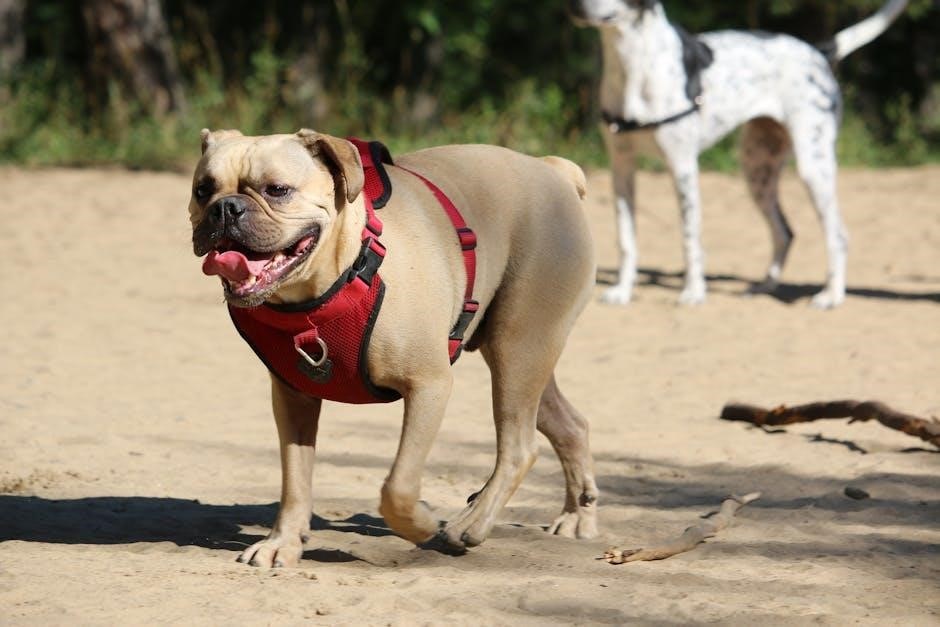
Ensure the shoulder straps are positioned along your dog’s back, avoiding any pressure points on their shoulders. It may be helpful to have treats on hand to encourage your dog to remain still during this process. A calm and positive approach will make the experience more pleasant for both of you. Double-check that the harness isn’t twisted or misaligned before proceeding to the next step.
Step 3: Securing the Chest Strap
Once the harness is positioned correctly, secure the chest strap around your dog’s body. Begin by gently tightening the chest strap until it’s snug, but not overly tight – you should be able to comfortably slide two fingers between the strap and your dog’s chest. Avoid restricting their breathing or movement.
The chest strap is crucial for preventing pulling, so ensure it’s properly adjusted. It should sit high on the chest, just behind the front legs. Regularly check for chafing, especially during longer walks. A properly fitted chest strap will discourage pulling without causing discomfort. Remember to adjust as needed throughout the walk for optimal comfort and control.
Step 4: Adjusting the Shoulder Straps
After securing the chest strap, focus on adjusting the shoulder straps for a secure and comfortable fit. These straps run from the chest strap to the back of the harness. Begin by loosening them completely before positioning the harness on your dog. Once on, gradually tighten each shoulder strap, ensuring they aren’t too tight or too loose.
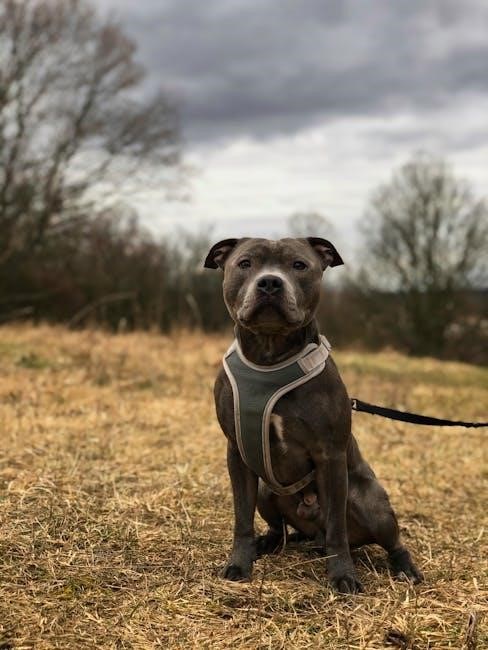
The goal is to prevent the harness from slipping forward or backward during movement. Check that the straps allow a full range of motion without chafing. A good fit means the straps lie flat against your dog’s shoulders. Regularly assess the fit, especially on puppies or dogs prone to weight fluctuations, to maintain optimal comfort and effectiveness.
Step 5: Fastening the Back Strap
With the chest and shoulder straps adjusted, the final step is fastening the back strap. This strap circles your dog’s body, connecting to the chest strap and completing the harness’s secure fit. Ensure the strap isn’t twisted before buckling it. Adjust the back strap to ensure it’s snug but allows for comfortable breathing and movement.
You should be able to slide two fingers comfortably between the strap and your dog’s body. Avoid over-tightening, which can cause discomfort or restrict circulation. Double-check all buckles and straps to confirm they are securely fastened before attaching the leash. A properly fitted harness will minimize pulling and maximize control during walks, promoting a pleasant experience for both you and your canine companion.
Using the Harness Effectively
Mastering leash attachment, handling, and training techniques unlocks the harness’s potential, gently discouraging pulling and fostering enjoyable, controlled walks for you and your dog.
Attaching the Leash Correctly
Proper leash attachment is crucial for the Easy Walk Harness to function as intended. The leash must be clipped to the ring located on the front of the harness – the chest plate. This forward attachment point is the key to the no-pull design, steering your dog gently to the side when they attempt to pull, rather than allowing them to lean into the pressure.
Avoid attaching the leash to the back ring, as this will defeat the purpose of the harness and may even encourage pulling. Ensure the leash is securely fastened to the front ring before beginning your walk. A standard, 1.8m (approximately 6ft) nylon leash with a metal carabiner, as often included in the harness kit, is perfectly suitable. Regularly inspect the leash and carabiner for wear and tear to maintain safety during walks. Remember, correct attachment maximizes control and comfort for both you and your canine companion.
Proper Leash Handling Techniques
Effective leash handling complements the Easy Walk Harness’s no-pull design. Maintain a relaxed, yet firm, grip on the leash, avoiding constant tension. When your dog begins to pull, do not jerk or yank the leash. Instead, gently redirect their attention with a verbal cue, like “easy,” and maintain a consistent walking pace.
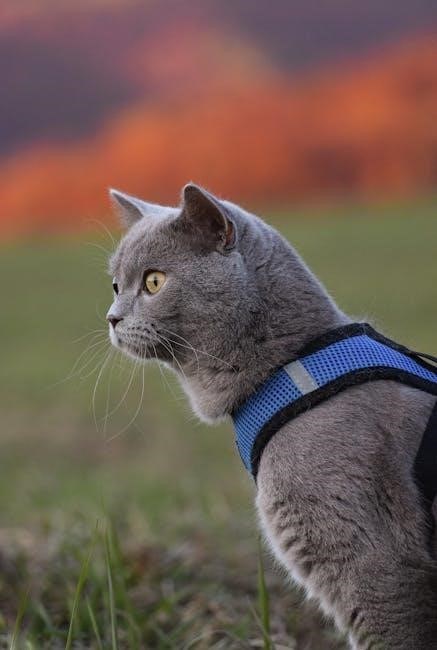
The harness encourages a change in direction when pulling occurs; allow the harness to work, guiding your dog back towards you. Avoid wrapping the leash around your hand, as this can cause injury if your dog suddenly pulls forcefully. Short, controlled leash lengths are generally more effective than allowing a lot of slack. Practice consistent communication and positive reinforcement to establish a comfortable and enjoyable walking experience for both of you, maximizing the harness’s benefits.
Training Your Dog to Walk Nicely with the Harness
Introduce the Easy Walk Harness gradually, allowing your dog to acclimate to wearing it indoors before venturing outside. Begin with short, supervised walks in a quiet environment. Reward calm behavior and loose-leash walking with verbal praise and small treats. Consistency is key; practice these short sessions daily.
If your dog initially resists the harness or continues to pull, avoid scolding. Instead, gently redirect their attention and reinforce desired behavior. Utilize positive reinforcement techniques, focusing on rewarding the behavior you want to see. Remember the harness is a tool to aid training, not a quick fix. Patience and consistent effort will yield the best results, creating a more enjoyable walking experience for both you and your canine companion.
Troubleshooting Common Issues
If the harness slips or rotates during use, double-check the fit, ensuring all straps are snug but not overly tight. Re-adjust the shoulder and chest straps, confirming they lie flat against your dog’s body. A proper fit is crucial for preventing movement and maintaining control.
Should your dog exhibit discomfort or resistance, immediately remove the harness and reassess. Ensure there are no pressure points or chafing areas. Reintroduce the harness gradually, pairing it with positive reinforcement. If issues persist, consult with a professional dog trainer or veterinarian. Remember, a comfortable dog is a cooperative dog, and addressing discomfort promptly is essential for a positive walking experience.
Harness Slipping or Rotating
A common issue is the Easy Walk Harness slipping or rotating, often due to improper adjustment. Begin by ensuring the chest strap is securely fastened, but not constricting. The shoulder straps must lie flat, preventing any upward or sideways movement. Regularly check strap tension during walks, as they can loosen with activity.
If rotation occurs, verify the harness isn’t too loose. A snug fit is vital, but avoid overtightening. Consider your dog’s build; some breeds may require more frequent adjustments. Inspect the harness for wear and tear, as damaged straps can compromise stability. Consistent monitoring and readjustment will minimize slipping and ensure the harness functions as intended, providing effective no-pull control.
Dog Discomfort or Resistance
If your dog displays discomfort or resists wearing the Easy Walk Harness, gradual introduction is key. Begin with short wearing sessions indoors, paired with positive reinforcement like treats and praise. Ensure the harness isn’t too tight, restricting movement or causing chafing. Check for pressure points, particularly around the shoulders and chest.
Resistance might stem from unfamiliarity; allow your dog to explore the harness before putting it on. Never force the harness – this can create negative associations. Observe your dog’s body language for signs of stress. If discomfort persists, re-evaluate the fit and consult the Petsafe sizing guide or a professional dog trainer. A properly fitted and positively introduced harness promotes comfortable, enjoyable walks.
Harness Care and Maintenance
Regular cleaning with mild soap and water preserves the Easy Walk Harness; store it dry, away from direct sunlight, for lasting performance and longevity.
Cleaning Instructions for the Easy Walk Harness
To maintain your Easy Walk Harness and ensure its longevity, regular cleaning is essential. Hand washing is the recommended method; use lukewarm water and a mild detergent specifically designed for delicate fabrics. Avoid harsh chemicals, bleach, or abrasive cleaners, as these can damage the nylon material and potentially irritate your dog’s skin.
Gently scrub the harness with a soft brush or cloth, paying attention to areas that accumulate dirt or debris. Rinse thoroughly under clean water until all soap residue is removed. Do not machine wash or tumble dry the harness, as this can cause it to lose its shape and functionality.
Instead, allow the harness to air dry completely in a well-ventilated area, away from direct sunlight or heat sources. Inspect the harness for any signs of wear and tear during the drying process. Proper cleaning will help keep your dog comfortable and safe during walks.
Storage Recommendations
Proper storage of your Easy Walk Harness when not in use will help maintain its shape and extend its lifespan. It’s best to store the harness in a cool, dry place, away from direct sunlight and extreme temperatures. Avoid storing it in damp environments, as this can lead to mildew or mold growth.
A breathable mesh bag or a dedicated storage bin is ideal. Ensure the harness is completely dry before storing it to prevent any potential issues. Avoid placing heavy objects on top of the harness, as this could compress the straps and buckles.
Keeping the harness clean before storage is also recommended. This prevents dirt and debris from becoming embedded in the fabric over time. Following these simple storage recommendations will ensure your harness remains in excellent condition for many walks to come.
Where to Find the Official Easy Walk Harness PDF Instructions
Locating the official Easy Walk Harness PDF instructions is crucial for ensuring correct usage and maximizing the benefits of the harness. The primary source for these instructions is the PetSafe website, specifically within their support or product documentation sections. A quick online search using keywords like “Easy Walk Harness instructions PDF” or “Petsafe harness manual” will also yield relevant results.
Retailers who sell the harness, such as pet supply stores or online marketplaces, may also provide links to the PDF manual on their product pages.
Always verify that the PDF you download originates from a trusted source, like PetSafe, to ensure you have the most accurate and up-to-date information. Having the official instructions readily available will help with proper fitting, adjustment, and troubleshooting.
Additional Resources and Support
Beyond the official PDF instructions, PetSafe offers extensive support resources for the Easy Walk Harness. Their website features a comprehensive FAQ section addressing common questions about sizing, fitting, and usage. You can also find helpful videos demonstrating how to properly put on and adjust the harness for optimal effectiveness.
For personalized assistance, PetSafe provides customer support via phone and email. Their knowledgeable representatives can guide you through any challenges you may encounter.
Online pet communities and forums are also valuable resources, allowing you to connect with other Easy Walk Harness users and share experiences and tips. Remember to always prioritize information from official sources like PetSafe for accuracy.
PetSafe Support and FAQs
PetSafe provides robust customer support for the Easy Walk Harness, recognizing the importance of a proper fit and effective use. Their website hosts a detailed FAQ section addressing common concerns, including sizing difficulties, harness slippage, and addressing dog resistance.
You’ll find answers to questions about cleaning, storage, and troubleshooting. Direct contact with PetSafe support is available through their customer service phone line and email channels, offering personalized guidance.
The official instructions, often available as a downloadable PDF, are regularly updated based on user feedback. PetSafe emphasizes careful reading of the manual before initial use to ensure optimal results and a comfortable experience for your dog.