Category: Manuals (page 2 of 4)

fwd manual transmission

Understanding FWD Manual Transmissions

Front-wheel drive (FWD) manual transmissions are a common setup where engine power is sent to the front wheels through a manual gearbox․ This system combines the simplicity of FWD with the driver control of a manual, offering a unique driving experience․ The layout is generally more compact and efficient․

Basic Principles of FWD Manual Transmissions

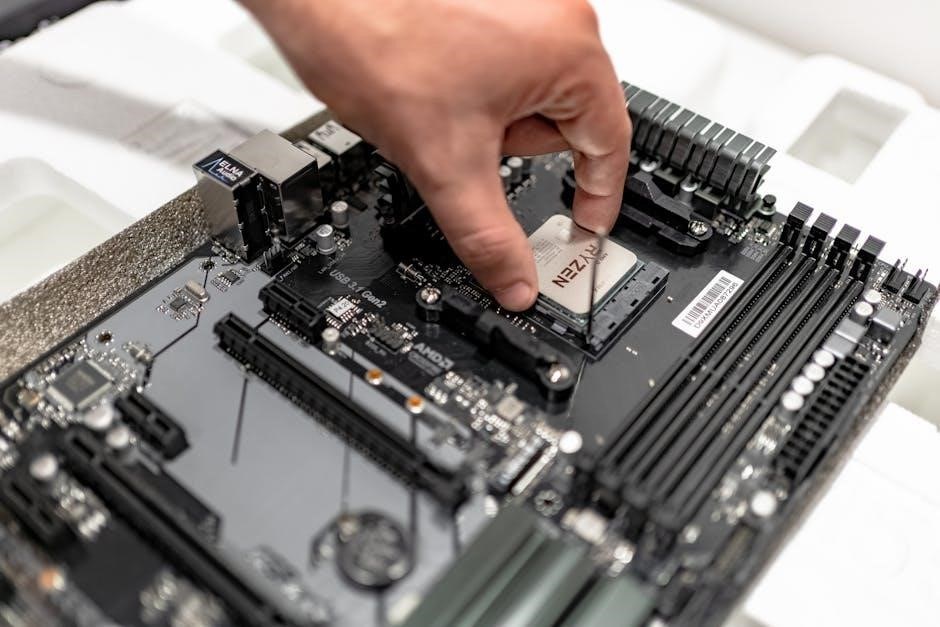
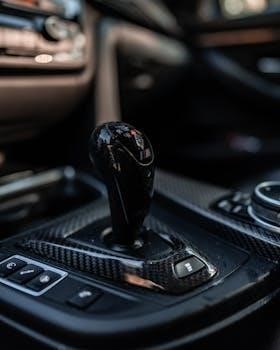
In a front-wheel-drive (FWD) manual transmission system, the engine’s power is directed to the front wheels through a series of gears, controlled by the driver using a clutch pedal and gear stick․ The engine’s rotational force is transferred to the input shaft of the transmission․ Inside the transmission, different gear ratios are engaged to provide the necessary torque and speed for various driving conditions․ When the driver presses the clutch pedal, the connection between the engine and transmission is temporarily disengaged, allowing the driver to shift to a different gear․ Once the desired gear is selected, the clutch is released to smoothly re-engage the transmission and send power to the front wheels through the drive shafts․ The transmission and differential are often combined in one unit, leading to a more compact design․ This whole setup is simpler compared to rear-wheel-drive systems․ In most cases, the engine is mounted transversally, aligning the crankshaft correctly between the front wheels․ FWD manual cars provide complete driver control over the drivetrain operation․

Advantages of FWD Manual Transmissions

Front-wheel drive (FWD) manual transmissions offer several notable advantages․ One significant benefit is enhanced control, allowing drivers to feel more connected to the car and the road․ The driver has complete command over gear selection, enabling predictive operation based on upcoming road conditions, something even the best automatic transmissions cannot replicate․ Furthermore, FWD manual systems are generally more fuel-efficient than automatic transmissions, providing a more economical driving experience․ The direct connection between the engine and transaxle in FWD setups reduces mechanical inertia, further improving fuel economy․ They are also simpler and cheaper to manufacture, which often translates to lower initial car prices․ The compact design of FWD manual transmissions also contributes to better interior space utilization, as it eliminates the need for a bulky transmission hump under the dashboard․ The combined transmission and differential unit reduces the number of components, simplifying assembly and reducing manufacturing costs․ Finally, many drivers find that manually shifting gears provides a more engaging and fun driving experience․

Fuel Efficiency in FWD Manual Cars

Fuel efficiency is a key advantage often associated with front-wheel drive (FWD) manual cars․ The manual transmission allows for a more direct connection between the engine and the wheels, minimizing power loss compared to automatic transmissions․ This direct coupling reduces mechanical inertia, leading to better fuel economy, especially in consistent driving conditions․ Drivers can also optimize their gear changes, selecting the most appropriate gear for the engine’s current load and speed, unlike automatic transmissions that may shift prematurely or hold gears unnecessarily․ The simpler design of the manual gearbox contributes to lower weight, further enhancing fuel economy․ Additionally, the ability to control engine braking and coasting allows drivers to minimize fuel consumption․ While modern automatic transmissions have made significant strides in efficiency, manual transmissions in FWD cars often retain an edge in fuel economy because of their inherent simplicity and directness․ This combination of factors makes FWD manual cars a compelling option for drivers seeking cost-effective transportation․ With a bit of practice, you can achieve optimal fuel consumption․

Driver Control and Engagement

Front-wheel drive (FWD) manual transmissions provide a high level of driver control and engagement, appealing to those who enjoy a more involved driving experience․ Unlike automatic transmissions, a manual gearbox puts the driver in complete command of gear selection, allowing for predictive operation based on road conditions and personal preferences․ This level of control enables drivers to precisely manage engine output and vehicle behavior, leading to a more satisfying and responsive driving experience․ The ability to choose gears allows drivers to maintain optimal engine speed for both acceleration and fuel efficiency․ This direct interaction with the car enhances the feeling of connection between driver and machine, making the driving process more engaging and enjoyable․ The manual transmission also facilitates the use of engine braking, which can improve control in certain situations․ The act of shifting gears and using the clutch fosters a sense of participation and skill, contributing to a more immersive driving experience․ Drivers become active participants in the driving process, rather than passive observers․ This level of engagement is often preferred by driving enthusiasts․

Simpler and Cheaper Manufacturing

Front-wheel drive (FWD) manual transmissions are known for their simpler and more cost-effective manufacturing processes compared to other drivetrain configurations․ The FWD layout, where the engine, transmission, and differential are often integrated into a single unit, reduces the number of components needed․ This simplified design leads to lower production costs, making FWD manual cars more affordable to manufacture and purchase․ The absence of a driveshaft running to the rear axle, as seen in rear-wheel drive (RWD) vehicles, further reduces complexity and material costs․ The compact nature of the FWD system also allows for easier assembly on the production line, which speeds up the manufacturing process and reduces labor expenses․ This allows manufacturers to produce more cars at a faster rate, ultimately lowering the price point․ The consolidation of mechanical parts into a smaller space reduces weight and complexity, contributing to a more streamlined production process․ The fewer parts and simplified assembly not only lower manufacturing costs but also reduce the chances of manufacturing defects․ The engine and transmission can often be installed from underneath the car as a single unit․ This overall makes FWD manual transmissions a popular choice for manufacturers seeking efficiency and affordability․

Disadvantages of FWD Manual Transmissions

While front-wheel drive (FWD) manual transmissions offer several advantages, they also come with certain drawbacks․ One significant disadvantage is the potential for torque steer, which occurs during hard acceleration when the steering wheel can pull to one side․ This phenomenon is due to the unequal power distribution between the front wheels․ Another downside is understeer, which is the tendency for the car to continue straight ahead when turning, especially at higher speeds or on slippery surfaces․ This can make the vehicle feel less agile and responsive in corners․ FWD systems can also suffer from reduced traction in low grip situations, as the front wheels can lose traction under heavy acceleration․ The weight distribution of FWD cars, with the engine and transmission concentrated at the front, can negatively impact handling and balance, leading to less precise handling․ Moreover, FWD manual transmissions may experience more wear and tear due to the increased strain on the front wheels, which handle both propulsion and steering․ This could lead to higher maintenance costs over time․ Although simpler to manufacture, they are not always simpler to maintain․ The concentration of complex components under the hood can make repairs more difficult․

Learning Curve for New Drivers

One of the primary challenges of front-wheel drive (FWD) manual transmissions is the steeper learning curve for new drivers compared to automatic cars․ Operating a manual transmission requires coordination between the clutch pedal, gear lever, and accelerator, which can be initially difficult to master․ New drivers often struggle with smooth starts, stalling the engine, and executing seamless gear changes․ The need to manually select gears also demands more attention and engagement from the driver, which can be overwhelming for beginners․ Finding the “bite point” of the clutch, where the car begins to move, and coordinating it with the accelerator is a crucial skill that requires practice․ Furthermore, mastering hill starts without rolling backward is a common challenge․ The process of learning to drive a manual car can be particularly daunting in stop-and-go traffic, where constant shifting is required․ This initial period of learning may lead to frustration and a feeling of being less confident behind the wheel․ While the benefits of driving a manual transmission include enhanced control and engagement, this comes at the cost of increased effort and a more complex initial learning phase․ This learning curve is often seen as a disadvantage for those new to driving, or those accustomed to automatic transmissions․

Torque Steer

Torque steer is a notable disadvantage associated with front-wheel drive (FWD) manual transmissions, particularly in high-performance vehicles․ It occurs when the engine’s torque, or rotational force, is applied unevenly to the front wheels during hard acceleration․ This uneven application causes a noticeable pull on the steering wheel, often to one side, making it difficult to maintain a straight line․ The effect is more pronounced when accelerating from a standstill or during aggressive overtaking maneuvers․ The primary reason for torque steer is that the driveshafts, which transmit power to the front wheels, are not equal in length due to the engine and transmission being offset in the engine bay․ This difference in length causes the wheels to experience different forces, resulting in the steering wheel pulling to one side․ The severity of torque steer is directly related to the amount of torque being produced by the engine․ Vehicles with powerful engines are more susceptible to torque steer than those with lower output․ While modern engineering techniques have reduced the impact of torque steer in many vehicles, it remains a characteristic inherent to FWD manual transmissions․ For drivers, it can be a noticeable distraction and even lead to a less enjoyable driving experience, particularly when trying to execute smooth and precise maneuvers․ It also requires the driver to be more attentive and prepared for the steering wheel’s tendency to pull during hard acceleration․

Understeer

Understeer is a common handling characteristic associated with front-wheel drive (FWD) manual transmission vehicles․ It occurs when the front wheels lose traction in a turn, causing the vehicle to continue moving in a straighter line than the driver intends․ Instead of turning as sharply as the steering input suggests, the car tends to push towards the outside of the curve․ This can be particularly pronounced when entering a corner at higher speeds or during aggressive driving maneuvers․ The weight distribution of FWD vehicles, where the engine and transmission are located at the front, contributes to this tendency․ The front wheels are responsible for both steering and powering the vehicle, which can overwhelm their ability to maintain traction during cornering; In contrast to oversteer, where the rear wheels lose grip, understeer is often considered more manageable for inexperienced drivers, as the vehicle’s response is typically less sudden and more predictable․ However, it can still be disconcerting, as the car does not respond to the steering input as expected․ While modern vehicle design and engineering advancements have reduced understeer’s severity, it remains a characteristic inherent to FWD manual transmission vehicles․ Drivers can learn to recognize the signs of understeer and adjust their driving style accordingly, such as by reducing speed before entering a corner or by applying gentler steering inputs․ Additionally, some vehicles are designed with specific suspension settings to minimize understeer, but it is generally a fundamental aspect of FWD dynamics․

Potential for Increased Wear and Tear

Front-wheel drive (FWD) manual transmissions, while offering a more engaging driving experience, can be more susceptible to increased wear and tear compared to their automatic counterparts․ This is largely due to the manual nature of gear changes, which require the driver to actively engage the clutch and shift gears․ Improper or aggressive shifting techniques, such as slipping the clutch or grinding gears, can accelerate the wear of clutch components, including the friction disc, pressure plate, and throw-out bearing․ The constant meshing and de-meshing of gears during shifting can also lead to wear on the gear teeth and synchros over time․ The FWD layout, with the transmission typically integrated with the front axle, can also contribute to the wear of CV joints and other driveline components due to the increased loads and angles involved in transmitting power to the front wheels, especially during hard acceleration and cornering․ Additionally, the increased control a driver has over the transmission can also result in over-revving and unnecessary wear on the engine components․ Regular maintenance, including timely clutch replacement, gear oil changes, and CV joint inspections, is crucial to prolong the life of a FWD manual transmission․ While modern materials and manufacturing processes have increased the durability of these components, the inherent nature of manual transmissions still makes them more susceptible to wear and tear than automatic transmission systems․ This makes careful driving habits and routine maintenance essential for owners of FWD manual transmission vehicles․

wtw5057lw0 manual

Whirlpool WTW5057LW0 Manual: A Comprehensive Guide

Welcome! This guide provides a detailed overview of the Whirlpool WTW5057LW0 washer. We’ll explore key features, operating instructions, troubleshooting tips, and maintenance advice. Whether you’re a new owner or seeking solutions, find valuable information here for optimal use.

The Whirlpool WTW5057LW0 is a top-loading washing machine designed for efficient and effective laundry care. This model features a 4.7-4.8 cu. ft. capacity, accommodating sizable loads for families and individuals alike.

A standout feature of this washer is its 2-in-1 removable agitator, offering flexibility for different types of loads. With the agitator in place, you get enhanced cleaning action for everyday garments. Removing it creates more space for bulky items or delicate fabrics requiring gentler handling.

The WTW5057LW0 boasts 12 wash programs, allowing you to customize cycles based on fabric type and soil level. Options like a built-in water faucet enable convenient pretreating of stains directly in the wash tub. The washer incorporates user-friendly operating instructions, which are vital for understanding how to use the appliance.

Safety is paramount. The Whirlpool WTW5057LW0 includes important safety instructions to reduce the risk of injury during operation. With its combination of convenience, versatility, and safety features, the WTW5057LW0 aims to simplify the laundry process.

Accessing the User Manual

Locating the user manual for your Whirlpool WTW5057LW0 washing machine is crucial for understanding its features and proper operation. The manual contains essential information about installation, usage, maintenance, troubleshooting, and safety precautions. You can access the manual through several avenues.

Firstly, check the Whirlpool website. Navigate to the support section and search for your specific model number, WTW5057LW0. The official manual is often available as a downloadable PDF. Secondly, many online appliance resources, like ManualsLib, host user manuals.

Searching “Whirlpool WTW5057LW0 manual” on a search engine will reveal numerous websites offering the document. Thirdly, Sears Parts Direct provides access to manuals and parts diagrams, aiding in both operation and repair understanding. Finally, remember that the manual provides important warranty information. Be sure to keep your manual readily available for future reference. Accessing the manual ensures you maximize your washer’s lifespan and performance.

Downloading the Manual

Once you’ve located the online user manual for the Whirlpool WTW5057LW0 washing machine, the next step is downloading it for convenient offline access. This ensures you can consult the manual anytime, anywhere, without needing an internet connection. The process is generally straightforward, but may vary slightly depending on the website.

Look for a “Download” button or link, often indicated by a downward-pointing arrow or the word “PDF”. Clicking this will typically prompt your browser to either open the PDF directly or save it to your computer. If the PDF opens in your browser, you can then save it by selecting “File” then “Save As” from the browser menu.

Choose a memorable location on your computer, such as your “Documents” folder, and rename the file for easy identification (e.g., “Whirlpool WTW5057LW0 Manual”). Ensure you have a PDF reader installed, like Adobe Acrobat Reader, to open the downloaded file. Downloading the manual allows you to easily search for specific keywords or sections. Having a digital copy also prevents the risk of losing a physical one.

Key Features and Specifications

The Whirlpool WTW5057LW0 is a top-load washing machine designed for efficient and effective laundry care. One of its notable features is the 2 in 1 Removable Agitator, offering flexibility to handle both everyday loads and bulky items. Removing the agitator provides extra space for larger items to move freely, enhancing cleaning performance.

The machine boasts a 4.7-4.8 cu. ft. capacity, accommodating sizable loads and reducing the frequency of washes. It includes multiple wash cycles and options, allowing customization based on fabric type and soil level. A built-in water faucet facilitates pre-treating stains directly in the washer, saving time and effort.

The WTW5057LW0 features a stainless steel wash basket for durability and resistance to odors. An EasyView slow-close glass lid allows you to monitor the wash progress without disrupting the cycle. The Affresh cycle is designed to keep the washer clean and fresh, preventing mold and mildew buildup. These features combine to offer a convenient and reliable laundry experience.

Operating Instructions

To begin using your Whirlpool WTW5057LW0 washing machine, start by adding HE (High Efficiency) detergent to the dispenser. Load your clothes into the washer, ensuring not to overload the drum for optimal cleaning. Next, press the Power button to turn on the machine and select your desired wash cycle using the control panel.

Customize your wash further by choosing from available options such as water temperature, spin speed, and soil level. If you’re adding fabric softener manually, select the Fabric Softener option on the control panel. Once you’ve made your selections, press the Start button to initiate the wash cycle.

During operation, the EasyView glass lid allows you to monitor the washing process. Avoid interrupting the cycle unless necessary. After the cycle is complete, promptly remove your clean clothes to prevent wrinkles. For best results, always follow garment care label instructions and the recommended detergent dosage. Regularly clean the washer using the Affresh cycle to maintain its performance and prevent odors.

Loading and Detergent Guide

Proper loading and detergent usage are crucial for optimal washing performance with your Whirlpool WTW5057LW0. Always use HE (High Efficiency) detergent, as it’s designed to produce less suds and work effectively in high-efficiency washers. Consult the detergent packaging for the correct amount based on load size and soil level. Adding too much detergent can lead to residue buildup and poor rinsing.

When loading clothes, avoid tightly packing the drum. Clothes need room to move freely for thorough cleaning. Distribute the load evenly to maintain balance and prevent excessive vibration during the spin cycle. For bulky items, consider removing the agitator to provide more space. Small items like socks should be placed in a mesh laundry bag to prevent them from getting lost.

Pre-treat heavily soiled or stained items before loading them into the washer. You can use the built-in water faucet to pre-treat stains directly in the washer. Always follow garment care label instructions for specific washing recommendations. Regularly clean the detergent dispenser to prevent clogs and ensure proper detergent distribution.

Cycle Selection Guide

The Whirlpool WTW5057LW0 offers a variety of wash cycles to accommodate different fabric types and soil levels. Understanding these cycles is key to achieving the best cleaning results and prolonging the life of your clothes. The “Normal” cycle is suitable for everyday items like cotton and linens with moderate soil. For heavily soiled items, choose the “Heavy Duty” cycle, which uses a longer wash time and more agitation.

Delicate items, such as lingerie and sweaters, should be washed on the “Delicate” cycle with a gentle wash action and slower spin speed. The “Quick Wash” cycle is ideal for lightly soiled items that need a quick refresh. Use the “Bulky Items” cycle for larger items like blankets and comforters, ensuring proper cleaning and rinsing. The “Whites” cycle is designed for white fabrics, using hotter water and bleach to remove stains and brighten whites.

The “Colors” cycle uses cooler water temperatures to prevent fading of colored fabrics. Select the appropriate cycle based on the care label instructions of your garments. Experiment with different cycles to find the best settings for your specific needs. Refer to the user manual for detailed descriptions of each cycle and recommended settings.

Troubleshooting Common Issues

Encountering issues with your Whirlpool WTW5057LW0 washer can be frustrating, but many problems have simple solutions. Before calling for professional service, consider these common troubleshooting steps. If the washer won’t start, first ensure it is properly plugged in and the circuit breaker hasn’t tripped. Check that the lid is fully closed and the lid lock light isn’t flashing rapidly. A flashing lid lock light may indicate a problem with the lid switch.

If the washer isn’t filling with water, verify that the water supply valves are fully open and the inlet hoses aren’t kinked. Clean the inlet screens to remove any sediment that might be blocking water flow. If the washer isn’t draining, inspect the drain hose for clogs or kinks. Ensure the drain hose is properly inserted into the standpipe and the standpipe isn’t clogged.

Excessive vibration during the spin cycle can be caused by an unbalanced load. Pause the cycle and redistribute the clothes evenly in the drum. If the problem persists, check that the washer is level. Use a level to adjust the leveling legs until the washer is stable. Refer to the user manual for more troubleshooting tips and error code explanations.

Washer Not Starting

A non-starting Whirlpool WTW5057LW0 washer can stem from several potential causes. Begin by confirming the washer is correctly plugged into a functioning power outlet. Check your home’s circuit breaker or fuse box to rule out a tripped breaker or blown fuse. Ensure the washer’s power cord is undamaged. A damaged cord requires immediate replacement by a qualified technician.

The lid switch is another common culprit. The washer is designed not to start if the lid isn’t fully closed. Verify that the lid closes securely and the lid switch engages properly. If the lid lock light is flashing, it might indicate a problem with the lid switch mechanism. Sometimes, a simple adjustment or cleaning of the lid switch area can resolve the issue.

Also, examine the control panel. If the control panel is unresponsive, try resetting the washer by unplugging it for a few minutes, then plugging it back in. If problems persist, consult the technical manual for error code diagnostics, or consider seeking assistance from a qualified appliance repair technician. Remember that a malfunctioning motor can also prevent the washer from starting.

Washer Not Draining

If your Whirlpool WTW5057LW0 washer fails to drain, the first step is to inspect the drain hose. Ensure the hose isn’t kinked, twisted, or clogged. A blockage in the drain hose will prevent water from exiting the washer. Disconnect the hose from the drainpipe and the washer to check for obstructions. Flush it with water to remove any debris.

Next, examine the drain pump. The drain pump might be clogged with lint, small objects, or other debris. Accessing and cleaning the drain pump usually involves removing a panel on the front or back of the washer. Consult the user manual or a repair guide for specific instructions on how to access and clean the drain pump on your model.

A faulty drain pump can also be the cause. If the drain pump is making unusual noises or isn’t running, it may need to be replaced. Also, ensure that the washer’s control panel settings are correct for the cycle you’ve selected. Some cycles have specific draining parameters. If the issue persists after checking these components, consult a qualified appliance repair technician.

Maintenance and Care

Proper maintenance is crucial for extending the life of your Whirlpool WTW5057LW0 washer. Regularly clean the washer to prevent mold and mildew buildup. Use a washer cleaner or a mixture of bleach and water in an empty cycle to sanitize the drum. The Affresh cycle is a great option for this. Wipe down the exterior of the washer with a damp cloth to remove dirt and spills.

Check and clean the lint filter regularly to ensure proper drainage and prevent clogs; The location of the lint filter can vary, so consult your manual for its exact location. Periodically inspect the water inlet hoses for cracks or leaks and replace them if necessary. Avoid overloading the washer, as this can strain the motor and other components.

Keep the area around the washer clean and free of debris to ensure proper ventilation. If you live in an area with hard water, consider using a water softener to prevent mineral buildup in the washer. By following these maintenance and care tips, you can keep your Whirlpool WTW5057LW0 washer running smoothly for years to come.

Safety Instructions

Prioritizing safety is essential when operating the Whirlpool WTW5057LW0 washer. Always read and understand the safety instructions in the user manual before using the appliance. To reduce the risk of fire, electric shock, or injury to persons, adhere to these precautions. Ensure the washer is properly grounded according to local codes and ordinances.

Never operate the washer if it is damaged or malfunctioning. Keep the area around the washer clean and free of obstructions. Do not allow children to play on or inside the washer. Always supervise children when they are near the appliance. Disconnect the power supply before cleaning or performing any maintenance on the washer.

Use only HE (High Efficiency) detergent in the washer to prevent damage to the components and ensure optimal performance. Do not wash items that have been previously cleaned in, washed in, soaked in, or spotted with flammable substances. Failure to do so could result in fire, explosion, or serious injury. Following these safety instructions will help ensure a safe and reliable laundry experience with your Whirlpool washer.

Warranty Information

Your Whirlpool WTW5057LW0 washer comes with a limited warranty. This warranty protects against defects in materials and workmanship for a specific period, typically one year from the date of purchase. During this period, Whirlpool will repair or replace any defective parts, free of charge, subject to the terms and conditions of the warranty.

To obtain warranty service, you must provide proof of purchase, such as a sales receipt or invoice. The warranty is valid only for products purchased and used within the United States and Canada. The warranty does not cover damage caused by misuse, abuse, neglect, accidents, improper installation, or unauthorized repairs. It also does not cover normal wear and tear, cosmetic damage, or consequential damages.

For detailed information about the warranty coverage, limitations, and exclusions, refer to the warranty document included with your washer. To register your product and activate the warranty, visit the Whirlpool website or call the Whirlpool customer service hotline. Retaining your purchase information and understanding the warranty terms will help ensure you receive the necessary support should any issues arise with your washer during the warranty period.

ultima water softener manual

The Ultima water softener manual provides guidance on installation and operation, with

    step-by-step instructions

for optimal performance and maintenance, ensuring high-quality drinking water for years to come naturally every day.

Overview of the Ultima 888 Water Softener System

The Ultima 888 Water Softener System is a comprehensive solution for removing hardness scale and minimizing maintenance of the boiling chamber. The system consists of a mini-softener that removes hardness scale, a feed water tank that stores water, and a level control housing that regulates water flow. The level control housing has a manual/automatic fill option, allowing users to choose between automatic and manual filling of the feed water tank. This system is designed to provide optimal performance and maintenance, ensuring high-quality drinking water for years to come. The Ultima 888 system is also equipped with advanced features that track water usage and salt consumption, making it easy to monitor and maintain the system. With its user-friendly design and advanced technology, the Ultima 888 Water Softener System is an ideal solution for households and businesses looking to improve their water quality. The system is designed to be efficient and effective, making it a great investment for anyone looking to improve their water quality.

Components of the Ultima Water Softener System

The system includes a

    mini-softener

and other essential parts for optimal function naturally every day.

Feed Water Tank and Level Control Housing

The Feed Water Tank is a crucial component of the Ultima water softener system, responsible for storing water before it is treated. The Level Control Housing is attached to the Boiling Tank and plays a key role in regulating the water level. According to the manual, the Level Control Housing has a Manual/Automatic Fill option, allowing users to choose how the system is filled. The Feed Water Tank and Level Control Housing work together to ensure a consistent supply of water to the system. The manual provides detailed instructions on how to install and maintain these components. Proper installation and maintenance are essential to ensure the system functions correctly and provides high-quality drinking water. The Feed Water Tank and Level Control Housing are designed to work together seamlessly, making it easy to use and maintain the Ultima water softener system. Regular checks should be performed to ensure optimal performance.

Installation and Operation of the Ultima Water Softener

Follow the manual for proper installation and operation procedures to ensure optimal performance naturally every day always.

Connecting the Feed Water Inlet

To connect the feed water inlet, locate the inlet valve and attach it to a cold water pipe, ensuring a secure connection to prevent leaks. The manual provides detailed instructions on how to properly connect the inlet valve. It is essential to follow these steps carefully to avoid any issues with the water softener’s operation. A properly connected feed water inlet is crucial for the system to function correctly. The inlet valve should be connected to a pipe that supplies cold water, as this will help to prevent any damage to the system. By following the manual’s instructions, you can ensure that the feed water inlet is connected correctly and the system is operating as intended. The connection process is relatively straightforward, but it does require some care and attention to detail. With the inlet valve properly connected, the system can begin to soften the water, providing you with high-quality drinking water.

Maintenance and Upkeep of the Ultima Water Softener

Adding Salt to the Brine Tank

Features of the Ultima 5800 Water Softener

The Ultima 5800 has advanced valve technology and a battery backup for reliable operation always.

Advanced Valve Technology and Battery Backup

The Ultima water softener features advanced valve technology, designed to provide efficient and reliable operation. This technology allows for precise control over the water treatment process, ensuring that the water is properly softened and filtered; The valve technology also enables the system to track water usage and detect any issues that may arise. Additionally, the system includes a battery backup, which ensures that the water softener continues to function even in the event of a power outage. This feature provides peace of mind and ensures that the water treatment process is not interrupted; The combination of advanced valve technology and battery backup makes the Ultima water softener a reliable and efficient solution for water treatment needs. With this technology, users can enjoy high-quality drinking water and protection from scale buildup and corrosion. The system is also designed to be easy to use and maintain.

nokia 2760 manual

The Nokia 2760 manual is a comprehensive guide for users to understand and operate their device effectively using various features and specifications listed in the manual pages clearly.

Overview of the Manual

The Nokia 2760 manual provides a detailed overview of the device’s features and functions, allowing users to get the most out of their phone. The manual is divided into sections, making it easy to navigate and find specific information. It covers topics such as setting up the device, using the camera, and managing contacts. The manual also includes troubleshooting tips and FAQs to help users resolve common issues. Additionally, the manual provides information on the device’s specifications, including its weight, dimensions, and display size. Overall, the Nokia 2760 manual is a valuable resource for users who want to understand and use their device effectively. The manual is available in multiple languages, including English, and can be downloaded from the official Nokia website or other online sources. It is a comprehensive guide that covers all aspects of the device.

Features and Specifications

Nokia 2760 has various features including camera and contact management with detailed specifications listed online for user reference and guidance always available.

Key Features of the Nokia 2760

The Nokia 2760 has several key features that make it a useful device for users, including a camera, contact management, and various other tools.
The device also has a user-friendly interface and a long-lasting battery, making it a practical choice for everyday use.
Additionally, the Nokia 2760 has a range of features that allow users to customize their experience, such as customizable ringtones and wallpapers.
The device also supports various formats of music and video, allowing users to enjoy their favorite media on the go.
Overall, the Nokia 2760 is a reliable and feature-rich device that is suitable for a variety of users, from beginners to more experienced users.
The device’s features and specifications are outlined in detail in the user manual, which provides a comprehensive guide to getting started and using the device effectively.
The manual is available online and can be downloaded in PDF format for easy reference.

Download and Installation

The manual can be downloaded from official websites and installed on devices for easy access and reference purposes only online.

How to Download the Nokia 2760 Manual

To download the Nokia 2760 manual, users can visit the official Nokia website and search for the manual using the device model number. The manual can be downloaded in PDF format and saved to the device for future reference. Users can also search for the manual on other websites that provide user manuals for various devices. It is important to ensure that the manual is downloaded from a trusted source to avoid any potential security risks. The manual can be downloaded using a computer or mobile device with an internet connection. Once downloaded, the manual can be accessed and viewed using a PDF reader. The download process is straightforward and easy to follow, allowing users to quickly access the manual and start using their device. The manual is available in multiple languages, including English.

Tutorials and Guides

Step-by-step guides and tutorials are available online to help users understand the Nokia 2760 manual and device features clearly and effectively every time.

Step-by-Step Guides for Using the Nokia 2760

The Nokia 2760 manual provides detailed step-by-step guides for users to understand and operate their device effectively. These guides cover various aspects of the device, including setting up the phone, making calls, sending messages, and using the internet. The guides are designed to be easy to follow, with clear instructions and illustrations to help users navigate the device’s features. Additionally, the guides provide troubleshooting tips and solutions to common problems, helping users to resolve issues quickly and efficiently. By following these step-by-step guides, users can get the most out of their Nokia 2760 device and enjoy a seamless and enjoyable user experience. The guides are available online and can be accessed at any time, making it convenient for users to learn and use their device. Overall, the step-by-step guides are a valuable resource for Nokia 2760 users.

Frequently Asked Questions

Users can find answers to common questions about the Nokia 2760 device and its manual online easily always.

Common Questions and Answers about the Nokia 2760

The Nokia 2760 manual provides answers to common questions about the device, including its features and specifications. Users can find information on how to use the device, troubleshoot issues, and perform basic operations. The manual also includes a frequently asked questions section, which addresses common concerns and provides solutions. Additionally, users can find information on the device’s weight, dimensions, and subscription type. The manual is available in multiple languages, including English and Spanish. Users can download the manual from the official website or access it online. The manual is a valuable resource for users who want to get the most out of their Nokia 2760 device. It provides detailed information and step-by-step instructions on how to use the device’s features and functions. The manual is easy to navigate and understand.

The Nokia 2760 manual provides a valuable resource for users to understand their device clearly and effectively every time.

Final Thoughts on the Nokia 2760 Manual

The Nokia 2760 manual is a comprehensive guide that provides users with valuable information to understand and operate their device effectively; The manual includes various features and specifications that help users to navigate through the device’s functions and settings. With the help of the manual, users can troubleshoot common issues and resolve problems easily. The manual is available in different languages and can be downloaded from the official website. The Nokia 2760 manual is a valuable resource for users who want to get the most out of their device. It provides detailed instructions and guidelines on how to use the device’s features and functions; Overall, the manual is a useful tool that can help users to improve their overall experience with the Nokia 2760 device. The manual is easy to understand and follow.

ke2 low temp defrost manual

KE2 Low Temp Defrost Manual: A Comprehensive Guide

This guide offers complete instructions for the KE2 Low Temp Defrost controller. It covers setup, operation, and troubleshooting, ensuring optimal performance. Learn about maximizing energy savings and maintaining efficient low-temperature refrigeration systems. Whether you’re a technician or end-user, this manual is your resource.

Overview of KE2 Low Temp Defrost Controller

The KE2 Low Temp Defrost controller is an electronic device designed for precise and efficient management of defrost cycles in low-temperature refrigeration applications. This controller serves as a multifunctional component, replacing traditional thermostats, fan delays, defrost time clocks, and termination devices, simplifying system design and reducing component count. Ideal for walk-in freezers, refrigerated warehouses, and other low-temperature environments, the KE2 Low Temp Defrost controller ensures optimal temperature control while minimizing energy consumption.

The controller incorporates a user-friendly interface, allowing for easy programming and monitoring of system parameters. It features a real-time clock, enabling accurate scheduling of defrost cycles based on time or demand. The KE2 Low Temp Defrost controller also offers advanced features such as adaptive defrost, which adjusts defrost frequency and duration based on real-time conditions, further enhancing energy efficiency. Its robust design and reliable performance make it a suitable solution for demanding refrigeration applications, providing precise system operation and eliminating end-user frustration with overly complicated or inaccurate options.

Furthermore, the KE2 Low Temp Defrost controller offers comprehensive alarming capabilities, including high-temperature, low-temperature, and sensor failure alerts, ensuring prompt notification of any potential issues. Its compact size and easy installation make it a versatile solution for both new installations and retrofit applications. The controller is compatible with various defrost methods, including air defrost and electric defrost, providing flexibility to suit different system requirements.

Key Features and Benefits

The KE2 Low Temp Defrost controller offers several key features that translate into significant benefits for users in low-temperature refrigeration applications. Firstly, its all-in-one design integrates thermostat, fan delay, defrost time clock, and termination device functionalities, reducing complexity and installation costs. The intuitive user interface simplifies programming and monitoring, eliminating frustration and ensuring accurate system control. The controller’s adaptive defrost algorithm optimizes defrost cycles based on real-time conditions, minimizing energy consumption and maximizing efficiency.

Another notable feature is the real-time clock, enabling precise scheduling of defrosts based on time or demand, further enhancing energy savings. Comprehensive alarming capabilities, including high/low temperature and sensor failure alerts, ensure prompt notification of potential issues, minimizing downtime and preventing costly damage. The controller’s compatibility with both air and electric defrost methods provides flexibility to suit various system requirements. Its robust design and reliable performance ensure long-term operation in demanding environments. Moreover, the compact size and easy installation make it suitable for both new and retrofit applications.

Ultimately, the KE2 Low Temp Defrost controller delivers enhanced energy efficiency, simplified system management, and improved reliability, resulting in reduced operating costs and increased peace of mind for users.

Applications of KE2 Low Temp Defrost

The KE2 Low Temp Defrost controller is designed for a wide range of low-temperature refrigeration applications where efficient and reliable defrost cycles are crucial. Its versatility makes it suitable for various commercial and industrial settings. Common applications include walk-in freezers and coolers in restaurants, supermarkets, and convenience stores, where maintaining consistent low temperatures is essential for preserving perishable goods. The controller is also well-suited for use in refrigerated warehouses and distribution centers, ensuring the integrity of frozen products during storage and transportation.

In addition, the KE2 Low Temp Defrost controller finds application in specialized refrigeration systems such as those used in scientific research, medical facilities, and pharmaceutical storage. These applications often require precise temperature control and reliable defrost cycles to protect sensitive materials and maintain regulatory compliance. Furthermore, the controller can be used in industrial freezers and blast chillers, providing efficient defrost management for high-volume food processing and storage operations. Its adaptability and comprehensive feature set make it a valuable solution for any low-temperature refrigeration system where energy efficiency, reliability, and ease of use are paramount.

Truck stock applications also benefit, offering tighter temperature control, critical for maintaining product integrity during transport.

Understanding Defrost Cycles in Low-Temperature Applications

Defrost cycles are critical in low-temperature refrigeration systems to remove frost and ice buildup on evaporator coils, which can significantly reduce system efficiency and cooling capacity. In these applications, the accumulation of frost acts as an insulator, hindering heat transfer and forcing the system to work harder to maintain the desired temperature. Understanding the different types of defrost cycles and their impact on system performance is essential for optimizing energy efficiency and ensuring reliable operation.

Common defrost methods include air defrost, electric defrost, and hot gas defrost. Air defrost relies on ambient air to melt the frost, while electric defrost uses electric heaters to warm the coil. Hot gas defrost utilizes hot refrigerant gas diverted from the compressor to quickly melt the ice. The choice of defrost method depends on factors such as the application, system design, and energy efficiency considerations. Proper defrost cycle management involves setting appropriate defrost intervals, duration, and termination parameters to minimize energy consumption while effectively removing frost buildup.

The KE2 Low Temp Defrost controller provides advanced features for precise control over defrost cycles, allowing users to tailor the defrost process to their specific needs and optimize system performance.

Manual Defrost Operation

The KE2 Low Temp Defrost controller offers a manual defrost operation, providing users with the ability to initiate a defrost cycle on demand. This feature is particularly useful in situations where frost buildup is excessive or when a scheduled defrost cycle is insufficient. To activate manual defrost, press and hold the BACK and ENTER buttons simultaneously for three seconds. The display will show “dEFr” indicating the manual defrost cycle has started. During manual defrost, the system will temporarily suspend normal cooling operations and activate the selected defrost method, either air or electric, to melt the frost from the evaporator coil.

The duration of the manual defrost cycle is determined by the controller’s settings, which can be adjusted to ensure complete frost removal without excessive energy consumption. It’s important to monitor the system during manual defrost to ensure proper operation and prevent any potential issues. Once the defrost cycle is complete, the system will automatically return to normal cooling mode, and the display will revert to its standard operating display.

Manual defrost provides flexibility and control over the defrost process, allowing users to address specific needs and maintain optimal system performance. This feature is especially beneficial in applications with fluctuating loads or environmental conditions.

Quick Start Guide and Installation

This quick start guide provides a simplified overview of the KE2 Low Temp Defrost controller installation process. Before beginning, ensure the power is disconnected. Mount the controller securely, referencing the included diagrams for proper placement. Connect the temperature sensors, ensuring correct polarity and secure terminations. Verify the voltage selector switch matches the supplied voltage (120/208-240 VAC).

Wire the controller according to the wiring diagram, paying close attention to the defrost relay, fan relay, and any alarm connections. Use the provided spade connectors for secure connections. After wiring, double-check all connections for accuracy and tightness. Install the high-voltage safety shield for added protection. Once the physical installation is complete, apply power to the controller.

The controller will initiate a startup sequence. Refer to the full installation manual for detailed programming instructions. Key settings include temperature setpoints, defrost frequency, and fan delay parameters. This guide is meant to offer a brief overview and should be used in conjunction with the complete installation manual for comprehensive instructions and safety precautions.

Troubleshooting Common Issues

Encountering issues with your KE2 Low Temp Defrost controller? This section addresses frequent problems and offers potential solutions. If the display is blank, verify the power supply and check the voltage selector switch. For temperature discrepancies, ensure the sensors are properly positioned and functioning correctly. Check for sensor failures, indicated by error codes, and replace faulty sensors as needed. If the defrost cycle isn’t initiating, confirm the defrost time clock settings and check the defrost relay.

Fan operation problems? Verify the fan delay temperature setting and examine the fan relay for proper function. Alarms sounding unexpectedly? Investigate high-temperature, low-temperature, and sensor failure alarms by checking the corresponding setpoints and sensor readings. If experiencing communication errors, ensure the wiring is correct and the communication protocol is properly configured. For manual defrost issues, confirm the manual defrost function is enabled and the system isn’t locked.

If problems persist, consult the complete troubleshooting guide in the full manual for detailed error code explanations and advanced troubleshooting steps. Remember to always disconnect power before performing any maintenance or repairs. Contact KE2 Therm Solutions support for further assistance if needed.

Parts List and Components

Understanding the components of your KE2 Low Temp Defrost system is crucial for effective maintenance and troubleshooting. A standard KE2 Low Temp controller kit typically includes the KE2 Low Temp controller itself, which serves as the central processing unit. High voltage safety shields are provided to protect against electrical hazards during installation and maintenance.

Temperature sensors, usually around 10 feet in length, are essential for monitoring temperature. Spade connectors, both 90-degree and straight, facilitate secure wiring connections. Self-tapping screws are included for mounting the controller securely. Depending on the specific kit, additional components may be included.

For specific part numbers and detailed specifications, refer to the parts list included with your specific KE2 Low Temp Defrost kit. When ordering replacement parts, always use the correct part numbers to ensure compatibility and proper system function. Consult the KE2 Therm Solutions website or contact their support team for accurate and up-to-date parts information. Proper identification and replacement of components are key to maintaining the efficiency and reliability of your low-temperature refrigeration system.

Energy Saving Features

The KE2 Low Temp Defrost controller is engineered with numerous energy-saving features to optimize the performance of low-temperature refrigeration systems. One of the key features is its demand defrost algorithm. Unlike traditional time-based defrost cycles, this algorithm initiates defrost cycles only when necessary, based on real-time system conditions. This reduces unnecessary defrost cycles, minimizing energy waste and maintaining consistent temperatures.

The controller replaces multiple components, including the thermostat, fan delay, defrost time clock, and termination device, streamlining the system and improving efficiency. The unique KE2 Therm fan management system further enhances energy savings by allowing tighter temperature control and reducing fan run time. By optimizing fan operation, the controller minimizes energy consumption while maintaining optimal cooling performance.

Additionally, the KE2 Low Temp Defrost controller provides precise system operation and an intuitive user interface, enabling users to easily monitor and adjust settings to maximize energy efficiency. The real-time clock ensures accurate scheduling and operation, further contributing to energy savings. By incorporating these features, the KE2 Low Temp Defrost controller helps to significantly reduce energy consumption in low-temperature refrigeration applications.

Available Documentation and Support

Comprehensive documentation and robust support resources are available to ensure users can effectively install, operate, and maintain the KE2 Low Temp Defrost controller. Detailed installation manuals provide step-by-step instructions for proper setup and wiring, ensuring seamless integration into existing refrigeration systems. Quick start guides offer a concise overview of essential functions and settings, enabling users to quickly get the controller up and running.

User manuals provide in-depth explanations of all controller features and parameters, empowering users to optimize performance and troubleshoot potential issues. Webpage screens are available that illustrate controller navigation and menus. These resources are designed to enhance user understanding and facilitate efficient operation.

In addition to written documentation, KE2 Therm Solutions offers a range of support options, including online resources and direct technical assistance. The KE2 Therm website provides access to FAQs, troubleshooting guides, and other helpful information. For more complex issues, users can contact KE2 Therm’s technical support team via phone or email. These resources provide prompt and reliable assistance to address any questions or concerns. KE2 Therm Solutions is committed to providing exceptional customer service.

honeywell udc2500 manual

The Honeywell UDC2500 manual provides a comprehensive guide to understanding and using the universal digital controller, including setup, operation, and maintenance, with detailed instructions and troubleshooting tips, from Honeywell.

Overview of the UDC2500 Controller

The UDC2500 controller is a universal digital limit controller designed to provide accurate and reliable control of industrial processes. The controller features a user-friendly interface and advanced diagnostic capabilities, making it easy to configure and troubleshoot. With its high noise immunity and failsafe output value, the UDC2500 controller is suitable for a wide range of applications, including temperature control, pressure control, and level control. The controller’s compact design and flexible configuration options make it a popular choice for many industries, including oil and gas, chemical processing, and power generation. The UDC2500 controller is also designed to be highly customizable, allowing users to create custom profiles and settings to meet their specific needs. Overall, the UDC2500 controller is a powerful and versatile tool for industrial process control, offering a high degree of accuracy and reliability. The controller is widely used in many countries and is supported by a comprehensive manual.

Installation and Configuration

Installation requires pre-installation information and procedures to ensure correct setup and configuration of the UDC2500 controller for optimal performance and safety.

Pre-installation Information and Procedures

The pre-installation process for the UDC2500 controller involves several crucial steps to ensure a smooth and successful installation.
According to the user manual, it is essential to carefully review the documentation and understand the controller’s specifications and requirements.
The installation site should be prepared, and all necessary tools and materials should be available.
The controller should be handled with care to prevent damage, and the packaging should be preserved for potential future use.
Additionally, the user should be familiar with the controller’s components and features to facilitate the installation process.
By following these pre-installation procedures, users can minimize the risk of errors and ensure a safe and efficient installation of the UDC2500 controller.
The user manual provides detailed information on the pre-installation process, and it is recommended to consult it before starting the installation.
The pre-installation information and procedures are critical to the overall success of the installation and should be carefully followed.

Operating the UDC2500 Controller

Operating the UDC2500 involves navigating the interface and using functions to control processes with ease and precision always.

Understanding the Controller’s Interface and Functions

The controller’s interface is designed to be user-friendly, with a clear and intuitive layout that allows for easy navigation and control. The UDC2500 features a range of functions, including data logging and configuration options, that can be accessed through the interface. To understand the controller’s interface and functions, it is helpful to refer to the user manual, which provides detailed explanations and diagrams. The manual covers topics such as menu navigation, parameter configuration, and data analysis, and provides troubleshooting tips and guidelines for optimal use. By familiarizing themselves with the controller’s interface and functions, users can unlock the full potential of the UDC2500 and achieve precise control over their processes. The interface is also designed to be highly customizable, allowing users to tailor the controller to their specific needs and applications. Overall, the UDC2500’s interface and functions are designed to provide a powerful and flexible control solution.

Troubleshooting and Maintenance

Diagnostic routines and maintenance procedures help resolve issues and ensure optimal performance of the UDC2500 controller, as outlined in the user manual, for proper upkeep and repair, every day.

Diagnostic Routines and Common Issues

The UDC2500 controller features continuous diagnostic routines that detect failure modes and trigger a failsafe output value, minimizing troubleshooting time and identifying the failure.
These routines help to quickly identify and resolve common issues, such as high noise immunity and failure to communicate.
The controller’s diagnostic capabilities also include error detection and correction, ensuring that critical processes remain operational.
By utilizing these diagnostic routines, users can reduce downtime and maintain optimal system performance.
The UDC2500 manual provides detailed information on diagnostic routines and common issues, allowing users to troubleshoot and repair problems efficiently.
This enables users to maintain their system with confidence, knowing that they have the tools and resources needed to resolve any issues that may arise.
The diagnostic routines and troubleshooting guides are essential components of the UDC2500 manual, providing users with a comprehensive resource for maintaining their system.
Configuring Profiles and Settings

Configuring profiles and settings is a critical step in using the UDC2500 controller, with detailed instructions provided in the manual, for easy setup and operation, by Honeywell experts always.

Step-by-Step Instructions for Profile Configuration

To configure a profile, users can refer to the UDC2500 manual, which provides detailed step-by-step instructions, including how to access the configuration menu and select the desired profile, with options to customize and save settings. The manual also includes troubleshooting tips and guidelines for resolving common issues that may arise during profile configuration. By following these instructions, users can ensure that their UDC2500 controller is properly configured and functioning as intended. The profile configuration process typically involves selecting the desired profile, setting parameters, and saving the changes, with the option to review and modify settings as needed. With the UDC2500 manual as a guide, users can confidently configure profiles and settings to meet their specific needs and requirements, and the manual is available in multiple languages, including Spanish and Italian. The configuration process is straightforward and easy to follow, with clear instructions and examples.

and Additional Resources

The Honeywell UDC2500 manual provides a comprehensive guide to understanding and using the universal digital controller, and with the information provided, users can confidently operate and maintain their device. For additional support, users can consult the Honeywell website, which offers a range of resources, including product manuals, technical specifications, and troubleshooting guides. The website also provides contact information for customer support and service centers, where users can obtain further assistance and guidance. Furthermore, the manual is available in multiple languages, including Spanish and Italian, making it accessible to a wider range of users. By referring to the manual and additional resources, users can ensure that they are getting the most out of their UDC2500 controller and troubleshooting any issues that may arise, and the manual is a valuable resource for anyone using the device. The resources are easy to access and use.

que es transmision manual

Manual transmission is a type of vehicle transmission that requires driver interaction to change gears using a clutch pedal and gearshift, providing a unique driving experience with a manual gearbox system always.

Definition of Manual Transmission

A manual transmission is a type of vehicle transmission that requires the driver to change gears manually using a clutch pedal and a gearshift, this system has been a fundamental element in automotive engineering.
The manual transmission is a gearbox that cannot change gear ratios on its own, it requires the driver’s intervention to do so, this is what differentiates it from an automatic transmission.
The driver must use the clutch pedal to disconnect the engine from the transmission and the gearshift to select the desired gear, this process allows for a more direct control over the vehicle.
The manual transmission is a system that provides a unique driving experience, it is often preferred by drivers who enjoy the feeling of being in control of their vehicle.
The definition of manual transmission is closely related to the concept of a manual gearbox, which is a system that uses a set of gears to transmit power from the engine to the wheels.
The manual transmission is a type of transmission that has been used in vehicles for many years, it is known for its simplicity and reliability.
The manual transmission is a system that requires the driver to be actively involved in the driving process, it is not an automatic system that can change gears on its own.
The driver must use the clutch pedal and the gearshift to change gears, this process requires a certain level of skill and coordination.
The manual transmission is a system that is often used in vehicles that require a high level of control, such as sports cars or trucks.
The definition of manual transmission is an important concept in automotive engineering, it is a system that has been used in vehicles for many years and is still widely used today.

History of Manual Transmission

The history of manual transmission dates back to the early days of automotive engineering, with the first manual transmissions being used in the late 19th century.
The first manual transmissions were simple systems that used a set of gears to transmit power from the engine to the wheels.
Over time, the design of manual transmissions evolved to include new features such as synchromesh and constant mesh, which made shifting gears easier and more efficient.
The development of manual transmissions was closely tied to the development of the automobile itself, with early cars often featuring manual transmissions as the primary means of propulsion.
As the years passed, manual transmissions became more sophisticated, with the introduction of new technologies such as hydraulic clutch systems and gearboxes with multiple speeds.
Today, manual transmissions are still widely used in vehicles around the world, with many drivers preferring the control and connection to the road that a manual transmission provides.
The history of manual transmission is a long and complex one, with many different designs and innovations being introduced over the years.
Manual transmissions have played a significant role in the development of the automobile, and continue to be an important part of the driving experience.
The evolution of manual transmissions has been shaped by advances in technology and changes in driver preferences.
The history of manual transmission is a fascinating story that reflects the ongoing quest for innovation and improvement in automotive engineering.

How Manual Transmission Works

Manual transmission works through a system of gears and clutch, allowing drivers to control the vehicle’s speed and torque with a manual gearbox and clutch pedal always engaged properly.

Basic Components

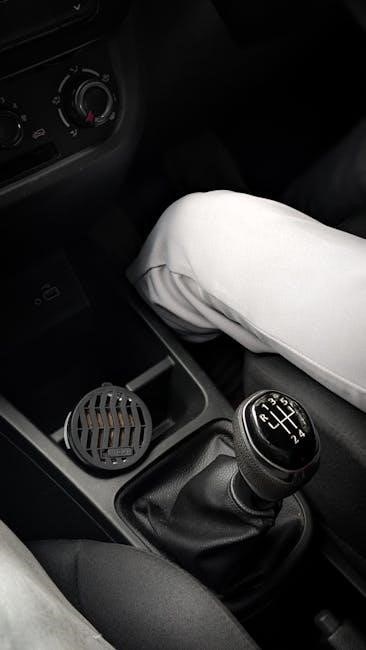
The basic components of a manual transmission include the gearbox, clutch, and gearshift. The gearbox is the main housing that contains the gears and bearings, and is responsible for transmitting power from the engine to the wheels. The clutch is a friction plate that connects and disconnects the engine from the gearbox, allowing the driver to shift gears smoothly. The gearshift is the lever that the driver uses to select the desired gear, and is typically located on the center console or steering column. Other important components include the flywheel, pressure plate, and throwout bearing, which all work together to facilitate smooth and efficient gear shifting. The manual transmission also includes a system of linkages and cables that connect the gearshift to the gearbox, allowing the driver to control the transmission with ease. Overall, the basic components of a manual transmission work together to provide a reliable and efficient means of transmitting power from the engine to the wheels.

Gear Changing Process

The gear changing process in a manual transmission involves a series of coordinated actions between the driver and the vehicle. The driver presses the clutch pedal down, which disengages the engine from the gearbox, and then selects the desired gear using the gearshift. The driver then releases the clutch pedal slowly, while simultaneously pressing the accelerator pedal, which allows the engine to engage with the selected gear. The synchronization of the clutch and accelerator pedals is critical to smooth gear shifting, and requires a certain level of skill and practice to master. The gear changing process is typically accompanied by a slight pause in acceleration, as the engine and gearbox adjust to the new gear ratio. The driver must also use the gearshift to select the correct gear for the current driving conditions, taking into account factors such as speed, terrain, and load. Proper technique and timing are essential for efficient and safe gear changing.

Types of Manual Transmission

Manual transmissions include standard and automated types, with varying gear ratios and shifting mechanisms always available in the market today with different features.

Standard Manual Transmission

A standard manual transmission is a type of transmission that requires the driver to manually change gears using a clutch pedal and a gearshift, it is the most common type of manual transmission used in vehicles.
The driver must press the clutch pedal to disengage the engine from the transmission, shift into the desired gear, and then release the clutch pedal to engage the engine with the transmission.
This type of transmission is often preferred by drivers who enjoy the control and connection to the vehicle that it provides, it also allows for better fuel efficiency and performance.
The standard manual transmission is typically less expensive to maintain and repair than other types of transmissions, it is also often less expensive to purchase upfront.
Overall, the standard manual transmission is a reliable and efficient option for drivers who want control over their vehicle, it is widely used in many types of vehicles, including cars, trucks, and motorcycles.
The standard manual transmission has been used for many years and is still a popular choice among drivers today, it continues to be a reliable and efficient option for many vehicle owners.

Automated Manual Transmission

An automated manual transmission is a type of transmission that combines the benefits of a manual transmission with the convenience of an automatic transmission.
It uses a manual gearbox, but the clutch and gearshift are controlled automatically by a computer system, allowing for smooth and efficient shifting.
This type of transmission is designed to provide better fuel efficiency and performance than a traditional automatic transmission, while also being more convenient than a manual transmission.
The automated manual transmission uses sensors and actuators to control the clutch and gearshift, allowing for quick and precise shifting.
It is often used in high-performance vehicles, where the need for quick and precise shifting is critical, and is also used in some hybrid and electric vehicles.
The automated manual transmission is a relatively new technology, but it has quickly become popular in many parts of the world, it offers a unique combination of performance, efficiency, and convenience.

It is expected to become even more popular in the future as the technology continues to improve and become more widespread, and it is likely to play a major role in the development of future vehicle transmissions.

Advantages and Disadvantages

Manual transmissions offer better fuel efficiency and control, with various pros and cons, including cost and performance, always requiring driver interaction with a clutch pedal and gearshift mechanism installed.

Advantages of Manual Transmission

Manual transmissions have several advantages, including better fuel efficiency, more control over the vehicle, and a more engaging driving experience. The driver has the ability to shift gears manually, which can be beneficial in certain driving situations, such as uphill climbing or towing. Additionally, manual transmissions tend to be less expensive to maintain and repair than automatic transmissions. They also provide a sense of connection to the vehicle and the road, which can be appealing to driving enthusiasts. Furthermore, manual transmissions can be more fuel-efficient, especially in city driving or in situations where the driver needs to frequently stop and start. Overall, the advantages of manual transmission make it a popular choice among drivers who value control, efficiency, and a more engaging driving experience. With the use of a clutch pedal and gearshift, drivers can optimize their vehicle’s performance and achieve better fuel economy, making manual transmission a desirable option for many.

Disadvantages of Manual Transmission

Manual transmissions have several disadvantages, including the need for driver input to shift gears, which can be tiring and require more concentration. In heavy traffic or hilly terrain, manual transmissions can be less convenient, as the driver must constantly shift gears to maintain speed and control. Additionally, manual transmissions can be more difficult to learn and master, especially for new drivers. The use of a clutch pedal and gearshift can also lead to driver fatigue, particularly in stop-and-go traffic. Furthermore, manual transmissions may not be suitable for drivers with certain physical limitations or disabilities. Overall, the disadvantages of manual transmission can make it less appealing to some drivers, who may prefer the ease and convenience of an automatic transmission. With the increasing complexity of modern vehicles, manual transmissions can also be more prone to wear and tear, requiring more frequent maintenance and repairs, which can be a significant drawback for some owners.

electrolux washer user manual

Electrolux Washer User Manual: A Comprehensive Guide

Greetings and welcome! This guide assists in understanding all features of your Electrolux Washer. Use this manual for optimal performance. It provides instructions on routine maintenance like cleaning the drum, filters, and proper laundry procedures.

Finding Your Electrolux Washer Model Number

Locating your Electrolux washer’s model number is crucial for accessing the correct user manual and ordering replacement parts. The model number is typically a combination of letters and numbers that uniquely identifies your specific appliance. This identifier is essential for troubleshooting, maintenance, and ensuring you have the right information for your machine.

Begin your search by examining the front of the washing machine. Look around the door frame or on the door itself. Manufacturers often place a sticker or plate in this area for easy visibility. If you don’t find it there, check the sides of the machine, particularly near the top or bottom edges.

Another common location is the back panel of the washer. You might need a flashlight to properly inspect this area. The model number could be printed on a label or stamped directly onto the metal.

If you still can’t find the model number, consult your purchase receipt or any warranty documents you received when you bought the washer. The model number should be listed on these documents. Once you have the model number, you can easily find the correct user manual online or contact Electrolux customer support for assistance. Having this information readily available will save you time and ensure you get the right support for your appliance.

Accessing Electrolux Washer Manuals Online

Finding your Electrolux washer manual online is a straightforward process, offering quick access to essential information about your appliance. Start by visiting the official Electrolux website. Navigate to the “Support” or “Customer Service” section, where you’ll typically find a dedicated area for manuals and documentation.

Once on the support page, look for a search bar or a product selection tool. Enter your washer’s model number, which you can find as described earlier, into the search bar. The website should then display a list of relevant manuals, parts diagrams, and other helpful documents associated with your specific model.
If you’re unable to locate the manual on the Electrolux website, consider checking reputable appliance parts websites like Sears Parts Direct. These sites often host a comprehensive library of manuals for various appliances, including Electrolux washers. Simply enter your model number into their search tool to find the correct manual.
When downloading the manual, ensure it’s compatible with your device and from a trusted source to avoid potential security risks. Most manuals are available in PDF format, which can be easily viewed on computers, tablets, and smartphones. Keep a digital copy of the manual for quick reference whenever you need to consult it.

Downloading Electrolux Washer Manuals from Sears Parts Direct

Sears Parts Direct is a valuable online resource for obtaining Electrolux washer manuals. To download a manual from their website, begin by visiting the Sears Parts Direct homepage. Locate the search bar, typically found at the top of the page, and enter your specific Electrolux washer model number. Accurate model identification ensures you retrieve the correct manual for your appliance.

After entering the model number, click the search button. The website will then display a page with parts diagrams, available parts, and importantly, downloadable manuals related to your washer. Look for a section labeled “Manuals” or “Owner’s Manual.”
Click on the link or button that corresponds to the manual you need. This will usually open the manual in a new tab or window as a PDF document. From there, you can save the PDF to your computer or mobile device for offline access.

Before downloading, double-check that the manual matches your washer’s model number and that the document appears complete and legible. It’s advisable to save the manual in a dedicated folder on your device for easy retrieval in the future. Sears Parts Direct offers a reliable and convenient way to access and download Electrolux washer manuals.

Understanding the Electrolux Washer User Interface

The Electrolux washer user interface is designed for intuitive operation, allowing users to easily select wash cycles and customize settings. Typically, the interface consists of a control panel with a combination of buttons, knobs, and a digital display.

The control panel usually features a central knob or dial for selecting different wash cycles. These cycles are often labeled with descriptive names such as “Delicates,” “Normal,” “Heavy Duty,” and “Quick Wash.” The digital display shows information such as the selected cycle, remaining time, and any error codes.

Additional buttons on the control panel may allow you to adjust settings like water temperature, spin speed, and soil level. Some models also offer options for pre-soaking, extra rinsing, or steam cleaning. It’s important to consult your user manual to understand the specific functions and features of your washer’s interface;

The display is typically easy to read, even in low-light conditions. Error codes displayed can help in troubleshooting issues, referring to the manual for their meaning. Proper understanding of the user interface ensures efficient use of your Electrolux washer. Familiarizing yourself with the controls and display contributes to optimal washing performance.

Electrolux Washer Routine Maintenance: Cleaning the Drum

Maintaining a clean drum in your Electrolux washer is crucial for optimal performance and preventing unpleasant odors. Routine cleaning helps remove detergent residue, mineral buildup, and mildew, ensuring your clothes come out fresh and clean.

To clean the drum, start by referring to your washer’s user manual for specific instructions. Many Electrolux washers have a dedicated “clean washer” cycle. If your model has this cycle, simply run it according to the manual’s directions, using a washer cleaner or a cup of bleach.

If your washer doesn’t have a dedicated cleaning cycle, you can manually clean the drum. Start by wiping down the interior with a damp cloth. For stubborn stains or buildup, use a solution of water and white vinegar. Leave the solution to sit for about 30 minutes before wiping it away.

To prevent mildew growth, leave the washer door slightly ajar after each use to allow the drum to air dry. Regularly inspect the rubber seal around the door for mold and clean it with a bleach solution if necessary. This ensures the longevity of your machine;

Electrolux Washer Routine Maintenance: Cleaning the Filters

Maintaining clean filters in your Electrolux washer is essential for optimal performance and preventing drainage issues. Over time, lint, debris, and small objects can accumulate in the filters, hindering water flow and potentially damaging the pump.

To locate the filters, consult your Electrolux washer’s user manual. The manual will provide specific instructions on where the filters are located, as well as how to safely access and remove them. Typically, the filter is located at the front of the machine, near the bottom.

Before cleaning the filters, always disconnect the washer from the power supply to prevent electrical shock. Once the filters are removed, rinse them thoroughly under running water to remove any accumulated debris. Use a soft brush to scrub away stubborn residue if necessary.

After cleaning, ensure the filters are properly reinstalled according to the user manual’s instructions. Make sure they are securely in place to prevent leaks. Regularly cleaning the filters, ideally every month or as recommended in your user manual, will help maintain your washer’s efficiency and prolong its lifespan.

Proper Laundry Preparation: Emptying Pockets and Fastening Zips

Proper laundry preparation is a crucial step in ensuring the longevity and optimal performance of your Electrolux washer. Neglecting this step can lead to damage to both your clothing and the washing machine itself;

One of the most important aspects of laundry preparation is emptying all pockets before loading items into the washer. Coins, keys, pens, and other small objects left in pockets can cause significant damage to the drum, pump, and other internal components of the machine. They can also damage your clothing, leading to tears or snags.
Another essential step is fastening all zippers, hooks, and other closures on your garments. Open zippers can snag on other items in the wash, causing damage to both the zipper itself and the surrounding fabric. Hooks can also become entangled, leading to similar problems.

By taking a few extra moments to empty pockets and fasten closures, you can prevent costly repairs and ensure that your Electrolux washer continues to provide reliable performance for years to come. Always refer to your user manual for additional guidance on proper laundry preparation techniques.

Avoiding Overloading the Electrolux Washer

Overloading your Electrolux washer is a common mistake that can lead to a variety of problems, ranging from poor washing performance to mechanical damage. It’s crucial to understand the washer’s capacity and avoid exceeding it.

When the washer is overloaded, clothes don’t have enough space to move freely during the wash cycle. This prevents the detergent from distributing evenly and can result in clothes that are not thoroughly cleaned. You might notice residue on your clothes or lingering odors even after washing.

Overloading also puts excessive strain on the washer’s motor and other components. This can lead to premature wear and tear, increasing the risk of breakdowns and costly repairs. The washer may struggle to spin properly, leaving clothes soaking wet at the end of the cycle.

Refer to your Electrolux washer’s user manual for specific guidelines on load capacity. Generally, you should leave enough space in the drum for clothes to move freely. Avoid packing the drum tightly, and consider washing larger items like blankets or comforters separately. By following these guidelines, you can ensure optimal washing performance and prolong the life of your appliance.

Using the Correct Detergent for Your Electrolux Washer

Selecting the right detergent and using the appropriate amount are essential for achieving optimal cleaning results and maintaining the longevity of your Electrolux washer. High-efficiency (HE) detergents are specifically formulated for use in HE washers like Electrolux models. These detergents produce fewer suds, preventing buildup and ensuring proper operation of the washer’s components.
Using regular detergents in an HE washer can lead to excessive suds, which can interfere with the washing process and leave residue on your clothes. In severe cases, excessive suds can even damage the washer’s internal components.

Always follow the detergent manufacturer’s instructions regarding the amount of detergent to use. Using too much detergent can lead to residue buildup and poor rinsing, while using too little may not effectively clean your clothes.

Consider factors such as the size of the load, the level of soil, and the water hardness when determining the appropriate amount of detergent; If you have hard water, you may need to use slightly more detergent to achieve optimal results. Refer to your Electrolux washer’s user manual for specific recommendations on detergent usage.

Understanding Laundry Care Labels for Electrolux Washers

Decoding laundry care labels is crucial for properly washing your clothes and preventing damage. These labels provide essential information about the fabric composition and recommended washing methods. Electrolux washers offer various cycles and settings designed to accommodate different fabric types and washing requirements, making it even more important to understand the instructions on these labels.

The wash symbol, typically represented by a stylized tub filled with water, indicates the recommended water temperature and wash cycle. A number inside the tub indicates the maximum water temperature in Celsius or Fahrenheit. A bar underneath the tub signifies a gentle wash cycle.
The bleach symbol, a triangle, indicates whether bleaching is permitted. A plain triangle means any bleach can be used, while a triangle with two lines indicates non-chlorine bleach only. A crossed-out triangle signifies that bleaching is not allowed.

The drying symbol, a square, provides instructions on how to dry the garment. A circle inside the square indicates tumble drying. Dots inside the circle represent the heat setting, with one dot for low heat and two dots for medium heat. A crossed-out drying symbol means the garment should not be tumble dried.

Troubleshooting Electrolux Washer Drainage Issues

Experiencing drainage issues with your Electrolux washer can be frustrating. Several factors may contribute to this problem, and understanding potential causes can aid in effective troubleshooting. A common culprit is a clogged drain hose or filter. The drain hose, responsible for expelling water from the washer, can become obstructed with lint, debris, or small objects. Regularly inspecting and cleaning the drain hose can prevent blockages.

The drain filter, typically located at the front of the washer behind a small access panel, traps lint and other particles. Over time, this filter can become clogged, hindering proper drainage. Cleaning the filter regularly, as outlined in your Electrolux washer’s user manual, is crucial for maintaining optimal performance.

Another potential issue is a malfunctioning drain pump. The drain pump is responsible for actively pumping water out of the washer. If the pump is faulty or damaged, it may not be able to effectively remove water. In such cases, it’s advisable to consult a qualified appliance repair technician for assessment and potential replacement of the drain pump.

Safety Precautions: Items Not to Wash in Your Electrolux Washer

To ensure the longevity of your Electrolux washer and prevent potential hazards, it’s crucial to adhere to specific safety precautions regarding items not suitable for washing; Flammable or explosive materials, such as gasoline, cleaning solvents, kerosene, and cooking oils, should never be placed in the washer. These substances pose a significant fire risk and can damage the machine’s components.

Items that have been previously cleaned with or exposed to such chemicals also fall under this category, as residual traces can still ignite during the washing process. Additionally, avoid washing items containing materials that could degrade or dissolve in water, potentially clogging the drain or damaging the washer’s internal mechanisms.

Furthermore, items with embellishments or attachments that could detach during washing, such as sequins, beads, or delicate trim, should be hand-washed or professionally cleaned to prevent damage to both the item and the washer. Always consult the care label of the item before washing and err on the side of caution when unsure.

Installation Guidelines for Electrolux Washers

Proper installation of your Electrolux washer is paramount for optimal performance and safety. Before commencing the installation process, carefully read the supplied instructions to prevent injuries or damage. Ensure that the washer is placed on a level and stable surface, capable of supporting its weight when fully loaded with water and laundry.

Connect the water hoses to both the hot and cold water supplies, ensuring they are new and in good condition to prevent leaks. The machine must be connected with new water hoses. Avoid using old or damaged hoses. Securely attach the drain hose to a suitable drainpipe, ensuring it is properly positioned to prevent backflow or siphoning.

If installing the washer on a plinth or stacking a dryer on top, use the appropriate accessories recommended by Electrolux. Verify that the electrical connection matches the washer’s requirements, and use a grounded outlet to prevent electrical hazards. After installation, test the washer by running a short cycle to check for leaks, proper drainage, and smooth operation.

nuna pipa urbn car seat manual

Nuna PIPA urbn Car Seat Manual: A Comprehensive Guide

Welcome! This comprehensive guide provides valuable information on your Nuna PIPA urbn car seat. Discover its innovative features, installation methods, safety guidelines, and maintenance tips for a secure and comfortable journey with your baby. We will provide all the necessary information to use your product properly!

Overview of the Nuna PIPA urbn Car Seat

The Nuna PIPA urbn car seat is a revolutionary, ultra-lightweight infant car seat designed for modern families. Weighing only 7 pounds, it reimagines travel with a baby, prioritizing convenience and safety. Its groundbreaking feature is the baseless installation system using advanced pipaFIX rigid latch connectors.

This integrated ISOFIX system allows for super-secure installations in seconds, making it ideal for various transportation modes like cars, taxis, and rideshares. The one-handed quick release from pushchairs and vehicles enhances usability, while Nuna’s iconic Dream drape provides ultimate privacy for your baby.

The PIPA urbn is part of a lightweight travel system that combines innovative safety features with sleek, luxurious design. The automatic recline foot and level line guarantee a correct angle during installation.

This car seat is suitable for children from 40cm to 75cm in height and up to 13kg in weight. It combines advanced safety with full-featured luxury in a compact package, allowing parents and babies to navigate suburban and city life seamlessly. Nuna offers practical and functional designs for every step of your parenting journey, mindfully manufactured and innovatively designed.

Key Features and Benefits

The Nuna PIPA urbn car seat offers a range of key features and benefits designed to enhance safety, convenience, and comfort for both parents and babies. Its ultra-lightweight design, weighing only 7 pounds, makes it exceptionally easy to carry and transport, reducing strain on parents.

The baseless installation with rigid ISOFIX connectors provides a secure and straightforward setup, eliminating the need for a separate base and saving valuable space. This feature is particularly beneficial for city dwellers and frequent travelers who use taxis or rideshares. The one-handed quick release system allows for effortless transitions between vehicles and strollers.

Nuna’s signature Dream drape offers superior privacy and protection from the elements, creating a cozy environment for the baby. The automatic recline foot ensures the correct installation angle, enhancing safety. Additionally, the PIPA urbn is compatible with Nuna strollers, creating a seamless travel system.
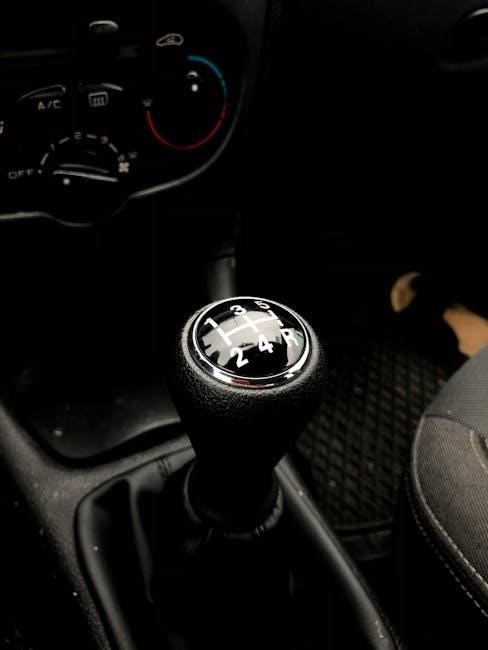
Suitable for children from 40cm to 75cm, and up to 13kg, the car seat combines advanced safety and full-featured luxury. Its innovative design and practical functionality make it an ideal choice for modern families.

Baseless Installation with ISOFIX System

The Nuna PIPA urbn revolutionizes car seat installation with its innovative baseless ISOFIX system. This groundbreaking feature eliminates the need for a separate base, streamlining the installation process and making it incredibly quick and easy. The integrated rigid ISOFIX connectors securely attach directly to the vehicle’s ISOFIX anchor points, providing a stable and safe connection.

To install, simply extend the rigid ISOFIX connectors and click them into the vehicle’s anchor points. The automatic recline foot ensures the correct installation angle, which is verified by a level line on the side of the seat. This eliminates guesswork and guarantees optimal safety. The baseless design is particularly advantageous for urban families and those who frequently use taxis or rideshares, as it allows for hassle-free installation in any vehicle equipped with ISOFIX anchors.

This system enhances convenience and reduces the risk of incorrect installation, offering parents peace of mind. Always refer to the car seat’s manual and your vehicle’s handbook for detailed instructions and compatibility information.

Installation using Vehicle Seat Belt

While the Nuna PIPA urbn excels with its baseless ISOFIX installation, it also offers a secure installation option using the vehicle’s seat belt. This provides flexibility for vehicles without ISOFIX anchor points, ensuring the car seat can be used in various situations. Always prioritize ISOFIX installation when possible, but the seat belt method remains a safe alternative when ISOFIX isn’t available.

To install using the vehicle’s seat belt, carefully follow the instructions in the car seat manual. Typically, this involves routing the lap and shoulder belt through specific guides on the car seat. Ensure the belt is not twisted and that it is securely locked in place. Apply pressure to the car seat while tightening the seat belt to minimize movement.

Always check the car seat’s stability after installation. It should not move more than one inch in any direction. If excessive movement is detected, re-tighten the seat belt or consult a certified car seat technician for assistance. Remember to always use a forward-facing vehicle seat when installing with the seat belt.

Adjusting Harness and Ensuring Proper Fit

Proper harness adjustment is crucial for your child’s safety in the Nuna PIPA urbn. The harness should fit snugly against your child’s shoulders without being too tight. Always check the harness height to ensure it is at or slightly below your child’s shoulders when rear-facing. To adjust the harness height, refer to your manual.

The chest clip should be positioned at armpit level to properly secure the harness straps. Make sure the harness straps are not twisted and lay flat against your child’s body. A snug harness ensures that your child is properly contained within the car seat during a collision, minimizing the risk of injury.

Regularly check the harness fit as your child grows. Never use aftermarket products or accessories that could interfere with the harness system’s integrity. Refer to the Nuna PIPA urbn manual for detailed instructions and illustrations on proper harness adjustment. Always follow the manufacturer’s recommendations for optimal safety.

Parts List and Assembly Instructions

Before assembling your Nuna PIPA urbn, ensure all components are present. The parts list includes rigid lower anchor guides, head support, seat pad, shoulder pads, chest clip, and body support. Familiarize yourself with each part for proper assembly. Contact Nuna if any part is missing.

Assembly requires no tools. Start by attaching the rigid lower anchor guides if using the ISOFIX system. Position the seat pad correctly within the car seat shell. Secure the head support, ensuring it’s at the appropriate height for your child. Attach the shoulder pads to the harness straps, followed by the chest clip.
The body support is for smaller infants. Once your baby outgrows it, remove it for a more comfortable fit. Always consult the Nuna PIPA urbn manual for detailed illustrations and step-by-step instructions. Double-check all connections to ensure they are secure before use.

Cleaning and Maintenance

Maintaining the cleanliness of your Nuna PIPA urbn car seat is essential for your child’s hygiene and the longevity of the product. Regular cleaning prevents the build-up of dirt, spills, and other messes that can compromise the car seat’s performance and appearance.

For routine cleaning, use a damp cloth with mild soap and water to wipe down the plastic and metal parts of the car seat. Avoid using harsh chemicals, solvents, or abrasive cleaners, as these can damage the materials. For fabric components, refer to the care label for specific washing instructions.

Most fabric parts can be machine washed on a gentle cycle with cold water. Air dry the fabric to prevent shrinkage or damage. Regularly inspect the harness straps and buckles for wear and tear. Replace any damaged parts immediately. Store the Nuna PIPA urbn in a cool, dry place when not in use to prevent mildew and deterioration.

Warranty Information and Support

Your Nuna PIPA urbn car seat is backed by a comprehensive warranty, demonstrating our commitment to quality and customer satisfaction. The warranty covers manufacturing defects in materials and workmanship under normal use, starting from the date of purchase. To ensure your warranty is valid, register your car seat on the Nuna website or through the provided registration card.

The duration of the warranty may vary depending on your region, so please consult the warranty documentation included with your car seat for specific details. The warranty does not cover damage caused by misuse, accidents, modifications, or normal wear and tear. In the event of a warranty claim, contact Nuna customer support or an authorized Nuna dealer.

Our dedicated support team is available to assist you with any questions or concerns you may have regarding your Nuna PIPA urbn car seat. You can reach us via phone, email, or through the Nuna website. We are committed to providing prompt and helpful assistance to ensure your complete satisfaction.

instruction manual for taotao ate 501 manual

The Taotao ATE 501 manual is a comprehensive guide providing essential information for owners of the electric scooter, including safety precautions and regulations․

Overview of the Taotao ATE 501 Electric Scooter

The Taotao ATE 501 electric scooter is a popular vehicle known for its affordability and street legality, designed for urban commuting and short-distance travel, offering a convenient and eco-friendly alternative to gasoline-powered scooters, with a fast and stable performance, making it an ideal choice for daily transportation, the scooter’s features and specifications are outlined in the manual, providing owners with a detailed understanding of their vehicle’s capabilities and limitations, allowing them to operate and maintain it safely and efficiently, with a focus on reliability and durability․

Taotao ATE 501 Manual Contents

Manual includes safety precautions, operating instructions and maintenance guides always․

Table of Contents and Download Information

The table of contents for the Taotao ATE 501 manual is available online, allowing users to easily navigate and download the manual․ The manual can be downloaded in PDF format, making it accessible on various devices․ Users can search for the manual on websites such as ManualsLib, which offers a wide range of Taotao manuals, including the ATE 501․ The download information is usually provided on the website, along with instructions on how to download and install the manual․ The manual is free to download and can be accessed at any time, providing users with a convenient and reliable source of information․ The download process is straightforward and easy to follow․

Taotao ATE 501 Troubleshooting

Troubleshooting tips resolve common issues quickly and easily online․

Common Issues and Repair Resources

Common issues with the Taotao ATE 501 include battery drainage and motor malfunction․ Online resources provide repair manuals and troubleshooting guides․ The manufacturer’s website offers a range of repair resources, including user manuals and parts diagrams․ Additionally, online forums and communities provide a platform for owners to share their experiences and solutions to common problems․ Repair resources are readily available, making it easier for owners to diagnose and fix issues themselves, reducing the need for professional assistance and saving time and money, with many resources available for download or viewing online instantly always․

Taotao ATE 501 Maintenance

Regular maintenance ensures optimal performance and extends scooter lifespan with proper care procedures․

Parts and Maintenance Procedures

The Taotao ATE 501 manual outlines various parts and maintenance procedures, including brake pad replacement and tire pressure checks, to ensure optimal performance․ Regular lubrication of moving parts and inspection of electrical components are also crucial․ Additionally, the manual provides guidance on troubleshooting common issues and performing routine maintenance tasks, such as cleaning and adjusting the scooter’s components․ By following these procedures, owners can extend the lifespan of their scooter and maintain its overall condition, reducing the need for costly repairs and replacements, and ensuring a safe and enjoyable riding experience always․

Taotao ATE 501 Battery Care

Proper charging and storage techniques are essential for maintaining battery life and performance always and correctly every time․

Battery Care and Replacement

The battery is a crucial component of the Taotao ATE 501 electric scooter, requiring proper care and maintenance to ensure optimal performance and longevity․ Regularly checking the battery’s state of charge and avoiding deep discharges can help extend its lifespan․ Additionally, storing the battery in a cool, dry place and avoiding extreme temperatures can also help maintain its health․ When replacing the battery, it is essential to follow the manufacturer’s instructions and guidelines to ensure a safe and successful installation, using the correct tools and equipment to avoid any damage or injury, always following safety precautions․

Taotao ATE 501 Safety Precautions

Wear protective gear and follow traffic rules always carefully․

Crucial Safety Precautions and Regulations

The instruction manual emphasizes wearing protective gear and following traffic rules․ Riders must be aware of their surroundings and ride defensively․ The manual also outlines regulations for street legality, including requirements for headlights, taillights, and turn signals․ Additionally, it provides guidelines for safe riding practices, such as avoiding pedestrians and other vehicles․ By following these safety precautions and regulations, riders can minimize the risk of accidents and ensure a safe and enjoyable riding experience with their Taotao ATE 501 electric scooter, every time they ride, always carefully․

Taotao ATE 501 Wiring Diagrams

Wiring diagrams provide electrical system information and circuit connections clearly․

Wiring Diagrams and Electrical System Information

The wiring diagrams for the Taotao ATE 501 provide detailed information about the electrical system, including circuit connections and component locations․ These diagrams are essential for troubleshooting and repairing electrical issues․ The manual includes a comprehensive guide to the electrical system, covering topics such as battery connections, ignition systems, and lighting circuits․ By referring to the wiring diagrams and electrical system information, owners can diagnose and fix problems, ensuring their scooter runs safely and efficiently․ The diagrams are presented in a clear and concise manner, making it easy to understand the complex electrical systems of the Taotao ATE 501․

Taotao ATE 501 Accessories

Recommended accessories include helmets, gloves, and storage bags for safety and convenience purposes always․

Recommended Accessories and Upgrades

The Taotao ATE 501 manual suggests various accessories to enhance the scooter’s functionality and safety, including helmets, knee pads, and gloves for protection․ Additional upgrades such as storage bags, phone mounts, and anti-theft devices can also be installed․ These accessories and upgrades can be purchased online or at local motorcycle shops, and can help to personalize the scooter to the owner’s preferences․ The manual provides guidance on how to install these accessories and upgrades, ensuring a safe and enjoyable riding experience․ Proper installation is crucial to maintain the scooter’s warranty and safety features․ Owners should consult the manual before making any modifications․