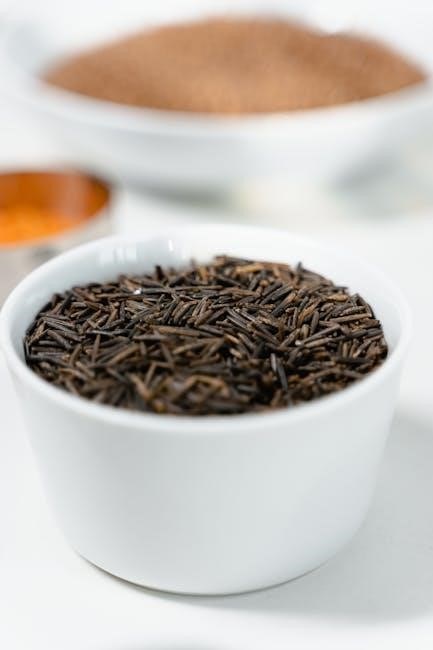
Wild Rice Blend Cooking Instructions: A Comprehensive Guide
Discover the art of preparing flavorful wild rice blends, transforming simple grains into a delightful stovetop pilaf with browned fennel and seasoned chicken thighs.
This guide offers comprehensive instructions, ensuring perfectly cooked wild rice blends every time, from initial preparation to exciting serving suggestions.
Understanding Wild Rice Blends
Wild rice blends are increasingly popular due to their complex flavor profiles and nutritional benefits, offering a delightful alternative to traditional white or brown rice. These blends typically combine true wild rice – which is actually a seed from aquatic grasses – with other grains like brown rice, long-grain white rice, and sometimes even barley or quinoa.
The inclusion of different grains impacts both the cooking time and the final texture. Brown rice adds a nutty chewiness, while white rice contributes a softer consistency. Understanding these variations is key to achieving optimal results. Blends often streamline the cooking process compared to using pure wild rice, which requires significantly longer simmering times.
Furthermore, pre-mixed blends ensure a balanced flavor combination, eliminating the need to source and measure individual grains. They provide a convenient and versatile base for numerous dishes, from hearty pilafs to flavorful side dishes and even salads. Exploring these blends unlocks a world of culinary possibilities.
What is Wild Rice?
Contrary to its name, wild rice isn’t actually rice; it’s the seed of four aquatic grass species native to North America. Historically harvested by Indigenous peoples, it boasts a distinctive nutty flavor and a wonderfully chewy texture. These seeds grow in shallow lakes and rivers, and are traditionally hand-harvested by gently knocking them from the stalks into canoes.
Wild rice is a nutritional powerhouse, being a complete protein and rich in fiber, vitamins, and minerals. Its dark brown or black color indicates a higher concentration of antioxidants. The unprocessed grain requires a longer cooking time than white rice, but the resulting flavor and texture are well worth the effort.
When purchasing, look for whole grains rather than processed or parboiled varieties to maximize nutritional benefits. Understanding its origins and unique characteristics enhances appreciation for this versatile and flavorful ingredient.
Types of Wild Rice Blends Available
The market offers a diverse range of wild rice blends, catering to various tastes and culinary needs. Commonly, wild rice is combined with long-grain white rice, brown rice, or even red rice to create balanced flavor profiles and textures. These blends often shorten the overall cooking time compared to using pure wild rice.
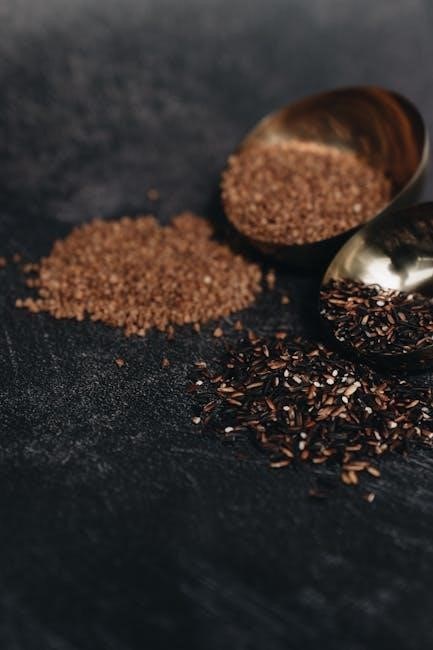
Some blends incorporate other grains like quinoa or barley, adding further nutritional value and textural complexity. You can also find blends seasoned with herbs and spices, offering convenient flavor combinations. Pre-seasoned options might include savory blends with mushrooms, garlic, or even smoked paprika.
Choosing a blend depends on your preference; blends with white rice are milder, while those with brown rice retain a nuttier taste. Experimenting with different combinations allows you to discover your perfect wild rice experience.
Preparing Wild Rice Blends for Cooking
Before embarking on your culinary journey with wild rice blends, proper preparation is key to achieving optimal results. Begin by carefully examining the package instructions, as cooking times can vary depending on the specific blend and grain composition. Understanding the blend’s components – wild rice, white rice, brown rice, or others – will guide your approach.
Generally, most blends benefit from a preliminary step to enhance their texture and flavor. This involves gently rinsing the rice under cold water to remove excess starch, contributing to a fluffier final product. Sorting through the blend to remove any unwanted debris or broken grains is also recommended.
While not always necessary, soaking the blend for 30-60 minutes can further reduce cooking time and improve tenderness.
Rinsing and Sorting
Rinsing your wild rice blend is a crucial step often overlooked, yet it significantly impacts the final texture. Place the uncooked blend in a fine-mesh sieve and rinse under cold, running water. Gently agitate the rice with your hand to release excess starch, continuing until the water runs clear. This process prevents stickiness during cooking, resulting in beautifully separated grains.
Simultaneously with rinsing, sorting the blend is highly recommended. Spread the rinsed rice in a thin layer on a light-colored surface. Inspect for any small stones, bits of chaff, or broken grains. While commercially packaged blends are generally clean, this step ensures a pleasant dining experience, free from unwanted surprises.
Removing these impurities guarantees a refined and enjoyable wild rice dish.
Soaking (Optional)
While not strictly necessary, soaking your wild rice blend can significantly reduce cooking time and improve its texture. To soak, place the rinsed blend in a bowl and cover with several cups of cold water. Allow it to soak for at least 4 hours, or ideally overnight, in the refrigerator.
Soaking helps to rehydrate the grains, allowing them to absorb water more efficiently during cooking. This results in a more tender and evenly cooked final product. If you choose to soak, remember to drain and rinse the blend again before proceeding with your chosen cooking method.
Consider soaking if you’re short on time or prefer a softer, more yielding texture in your wild rice blend.
Cooking Methods for Wild Rice Blends
Explore versatile techniques – classic stovetop simmering, efficient Instant Pot pressure cooking, and flavorful oven baking – to unlock the full potential of your blend.
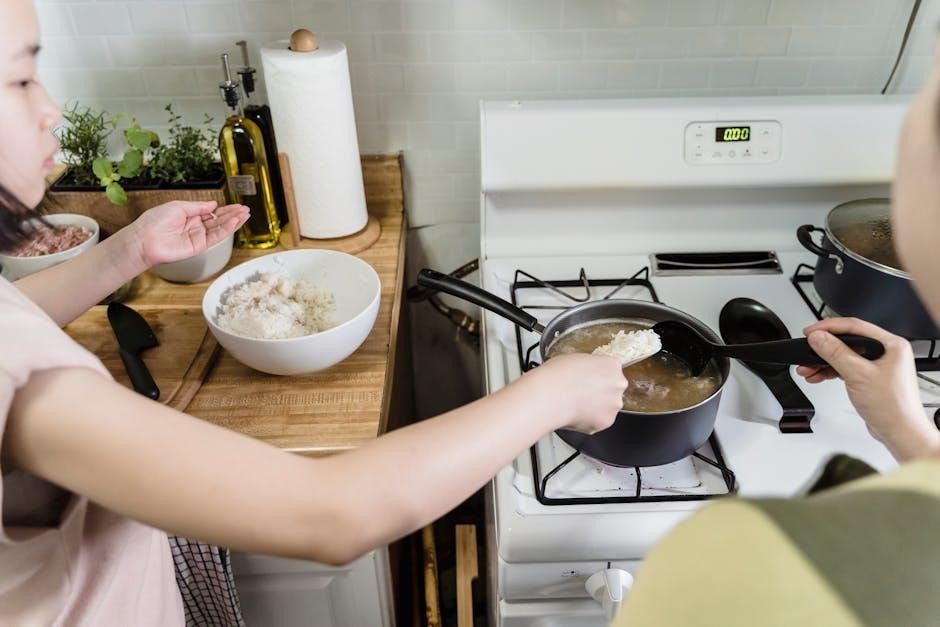
Stovetop Cooking: The Classic Approach
The stovetop method remains a beloved way to cook wild rice blends, offering direct control over the process and yielding wonderfully textured results. Achieving the perfect pilaf requires attention to detail, starting with the correct liquid ratio.
Generally, a 3:1 liquid-to-rice ratio is recommended, though slight adjustments may be needed based on the specific blend. Bring the water or broth to a boil, then add the rinsed wild rice blend. Once boiling, reduce the heat to a gentle simmer, cover the pot tightly, and allow the rice to cook undisturbed.
Cooking time typically ranges from 45 to 60 minutes, or until the grains have burst open and are tender yet slightly chewy. Avoid lifting the lid during cooking, as this releases steam and can prolong the process. Once cooked, fluff with a fork and let stand for 5-10 minutes before serving to allow the flavors to meld.
Water/Broth Ratio
Determining the ideal liquid-to-rice ratio is crucial for perfectly cooked wild rice blends. A standard recommendation is 3 cups of liquid for every 1 cup of wild rice blend, ensuring sufficient moisture for proper hydration and expansion of the grains.
However, this ratio can be subtly adjusted based on personal preference and the specific blend composition. For a softer texture, slightly increase the liquid to 3.5:1. Conversely, for a chewier result, reduce it to 2.75:1. Using broth instead of water significantly enhances the flavor profile, imparting a richer, more savory taste to the finished dish.
Chicken or vegetable broth are excellent choices, complementing the nutty flavor of the wild rice. Remember to account for any additional seasonings dissolved in the broth when adjusting salt levels later in the cooking process.
Cooking Time & Simmering
Typically, wild rice blends require a longer cooking time compared to white rice, generally ranging from 45 to 60 minutes on the stovetop. Begin by bringing the water or broth to a rolling boil, then immediately reduce the heat to the lowest possible setting – a gentle simmer is key.
Cover the pot tightly to trap steam and maintain a consistent temperature. Avoid lifting the lid frequently, as this releases steam and prolongs the cooking process. After the initial simmering period, check the rice for tenderness. The grains should be plump and slightly split, with a chewy texture.
If the rice is still firm, continue simmering for another 10-15 minutes, checking periodically. Once cooked, remove from heat and let it stand, covered, for 10 minutes to allow the steam to redistribute and finish the cooking process.
Instant Pot/Pressure Cooker Method
Utilizing an Instant Pot or pressure cooker dramatically reduces the cooking time for wild rice blends, offering a convenient and efficient alternative to stovetop methods. This method excels at creating perfectly tender and flavorful rice with minimal effort.
Combine the wild rice blend with water or broth in the Instant Pot. A typical ratio is 1 cup of rice to 3 cups of liquid, though adjustments may be needed based on your specific blend. Secure the lid, ensuring the valve is set to sealing.
Pressure cooking unlocks a faster, more consistent result. The Instant Pot method preserves the nutty flavor and chewy texture that makes wild rice so appealing, delivering a delicious side dish in a fraction of the time.
Pressure Cooking Time
For most wild rice blends, a pressure cooking time of 20-25 minutes is optimal. This timeframe allows the grains to fully absorb the liquid and achieve a tender yet slightly chewy texture. However, cooking times can vary slightly depending on the specific blend composition and your desired level of tenderness.
It’s crucial to remember that the Instant Pot requires time to come up to pressure before the timer begins. Factor in approximately 10-15 minutes for the pot to reach full pressure. Once the cooking cycle is complete, you’ll need to decide between a natural pressure release or a quick release.
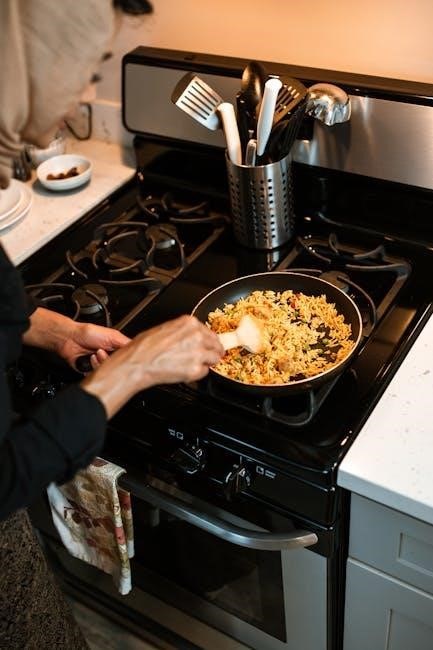
Experimenting with these timings will help you fine-tune the process to your preferences, consistently yielding perfectly cooked wild rice blends.
Natural Pressure Release vs. Quick Release
Choosing between a natural pressure release (NPR) and a quick release (QR) significantly impacts the final texture of your wild rice blend. A natural pressure release allows the pressure to dissipate gradually over 15-20 minutes, resulting in more evenly cooked and tender grains.
This method is generally recommended for wild rice blends as it prevents the grains from becoming mushy or breaking apart. Conversely, a quick release involves manually releasing the pressure immediately after cooking, which can be faster but may lead to a slightly less consistent texture.
For optimal results, especially with wild rice, prioritize the natural pressure release. It ensures a fluffy, flavorful outcome, maximizing the delightful chewiness inherent in this unique grain.
Oven Baking Method
The oven baking method offers a hands-off approach to cooking wild rice blends, ideal for those seeking a convenient and flavorful result. This technique allows for gentle, even cooking, enhancing the nutty notes of the rice and any accompanying ingredients.
To begin, combine the wild rice blend with liquid in an oven-safe dish. Covering the dish tightly is crucial to prevent excessive evaporation and ensure proper steaming. The baking process transforms the grains into a tender, aromatic side dish or base for a hearty pilaf.
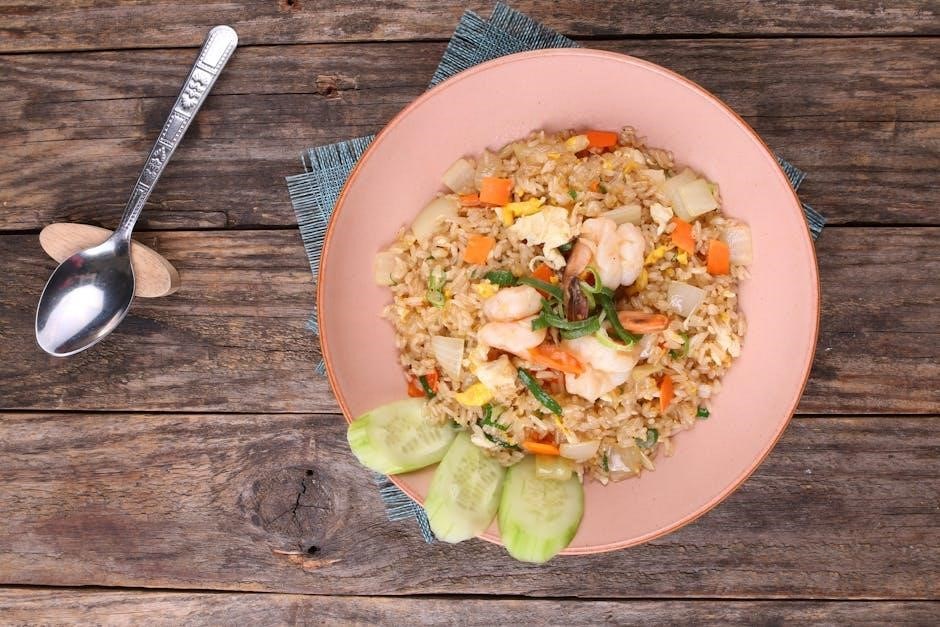
This method is particularly well-suited for incorporating vegetables and proteins directly into the cooking process, creating a complete and satisfying meal with minimal effort.
Liquid to Rice Ratio for Baking
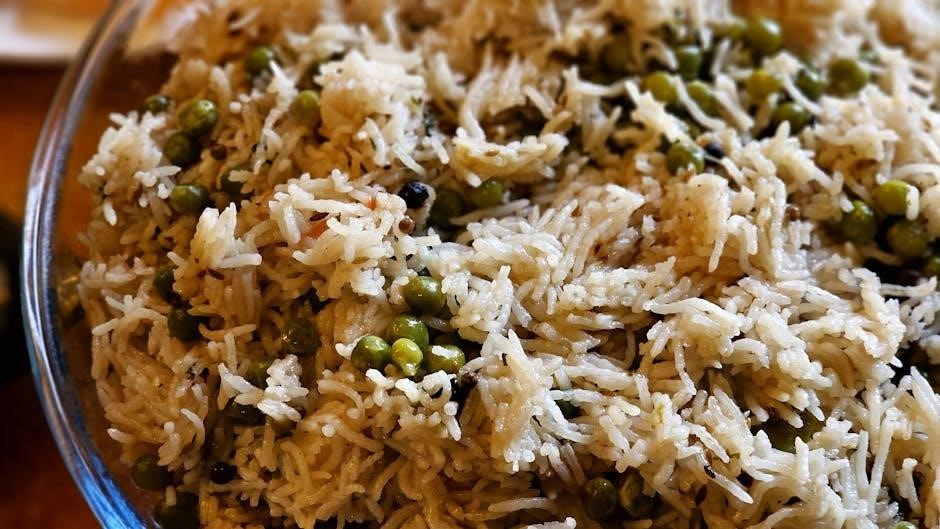
Achieving the perfect texture when baking wild rice blends hinges on the correct liquid-to-rice ratio. Generally, a ratio of 2.5 to 3 cups of liquid for every 1 cup of wild rice blend is recommended. This ensures the rice cooks through completely without becoming mushy or remaining overly firm.
The type of liquid used also impacts the final result; broth adds a richer flavor profile compared to water. Adjust the ratio slightly based on your preference – use less liquid for a chewier texture and more for a softer consistency.
Remember to account for any additional ingredients added to the baking dish, as they will also absorb liquid during the cooking process. Careful measurement is key to a successful and delicious baked wild rice blend.
Baking Temperature and Duration
For optimal results when baking wild rice blends, a consistent oven temperature of 375°F (190°C) is generally recommended. This temperature allows the rice to cook evenly and develop a slightly nutty flavor without drying out prematurely.
The baking duration typically ranges from 60 to 75 minutes, but it’s crucial to check for doneness around the 60-minute mark. The rice should be tender and the liquid should be fully absorbed. If needed, continue baking for another 15 minutes, checking every few minutes.
Covering the baking dish for the first 45 minutes helps retain moisture, then uncovering it for the remaining time allows the top to lightly toast. Always allow the baked wild rice blend to rest for 10 minutes before serving.
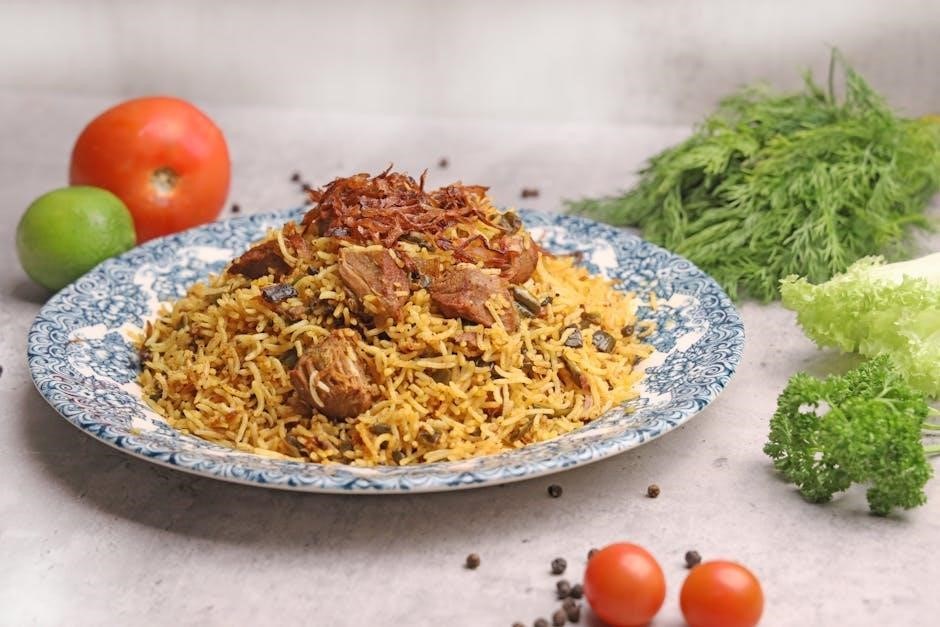
Flavor Enhancements & Serving Suggestions
Elevate your wild rice blend with flavorful broth, diverse seasonings, and delightful pairings like chicken thighs and sweet, gently simmered fennel wedges.
Adding Broth vs. Water
Choosing between broth and water significantly impacts the final flavor profile of your wild rice blend. While water provides a neutral base, allowing the natural nutty flavor of the rice to shine, broth introduces a depth of savory complexity.
Chicken broth, in particular, complements wild rice beautifully, as evidenced by recipes featuring chicken thighs simmered directly within the blend. Vegetable or mushroom broth also offer excellent alternatives, adding umami and earthiness.
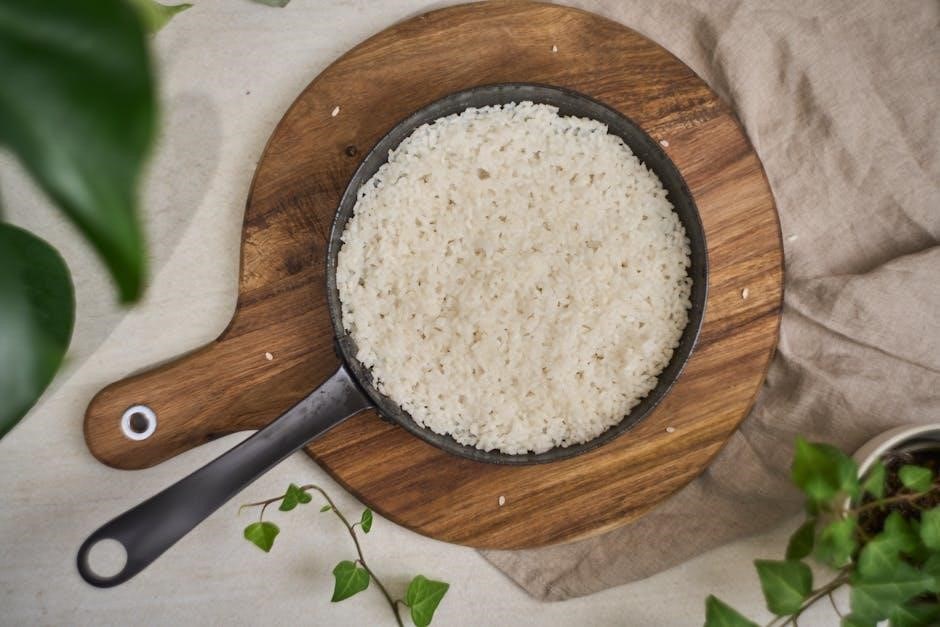
Consider the other ingredients you’re incorporating; if using seasoned chicken or flavorful vegetables like fennel, water might be preferable to avoid overpowering the dish. Conversely, a simple blend benefits greatly from the richness of a good quality broth.
Experimentation is key! Start with broth for a more robust flavor, and water for a cleaner taste, adjusting to your personal preference and the overall recipe composition.
Seasoning Options
Elevate your wild rice blend with a thoughtful selection of seasonings. Simple salt and pepper are foundational, but don’t hesitate to explore more complex flavor combinations. Herbs like thyme, rosemary, and sage pair wonderfully with the nutty notes of wild rice, adding an aromatic dimension.
Spices such as smoked paprika, garlic powder, or a pinch of cayenne pepper can introduce warmth and subtle heat. Consider incorporating bay leaves during cooking for a delicate, savory undertone – remember to remove them before serving!
For a brighter flavor, a squeeze of lemon juice or a sprinkle of fresh parsley after cooking can be incredibly refreshing. When cooking with chicken, seasonings like Italian herb blends or poultry seasoning complement the meat beautifully.
Ultimately, seasoning is a personal preference; start conservatively and taste as you go, adjusting to achieve your desired flavor intensity.
Serving Suggestions & Pairings
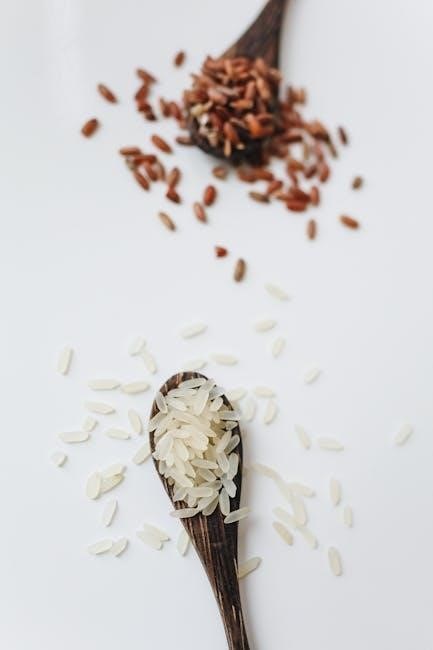
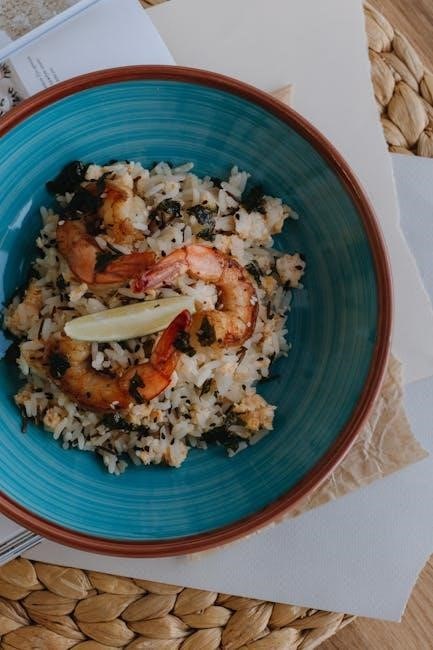
Wild rice blends are incredibly versatile, lending themselves to a wide array of culinary applications. As demonstrated, they create a fantastic base for one-pot pilafs, particularly when paired with chicken thighs and vegetables like browned fennel, offering a complete and satisfying meal.
Consider serving wild rice alongside roasted meats such as turkey, duck, or pork, where its earthy flavor complements richer proteins. It also makes a delightful stuffing for poultry or mushrooms.
Vegetarian options abound – pair it with roasted root vegetables, grilled halloumi, or a hearty lentil stew. A dollop of crème fraîche or a sprinkle of toasted nuts adds a luxurious finishing touch.
For a lighter meal, incorporate wild rice into salads with dried cranberries, pecans, and a citrus vinaigrette.