Navigating suit jacket sizes ensures a polished look; Mens Wearhouse offers custom options and inclusive sizing‚ including Big & Tall selections.
Why Accurate Sizing Matters
Proper fit is paramount for a sophisticated appearance. A well-fitted suit jacket enhances your physique and projects confidence. Ill-fitting jackets – too tight or boxy – detract from your overall style. Accurate measurements‚ utilizing brand-specific charts from retailers like ASOS‚ are crucial.
Considering custom options‚ as offered by Mens Wearhouse‚ allows for personalized tailoring. Ignoring sizing leads to costly alterations or an unflattering silhouette‚ diminishing the suit’s impact.
Understanding Body Types for Suit Jackets
Body shape significantly impacts suit jacket fit. Athletic builds often require jackets accommodating broader shoulders and a tapered waist. Slim builds benefit from slim-fit styles‚ avoiding excess fabric. Larger builds necessitate careful consideration of drop – the difference between shoulder and waist measurements – and brands specializing in Big & Tall sizes.
Understanding your physique ensures a flattering silhouette; a classic fit might suit larger frames‚ while a tailored approach works best for others.
Standard Suit Jacket Measurements
Key measurements include shoulder width‚ chest circumference‚ jacket length‚ and sleeve length; accurate measurements are crucial for achieving a proper and flattering fit.
Shoulder Width
Shoulder width is paramount for a well-fitted suit jacket. Measure from shoulder point to shoulder point across the back. The jacket’s shoulder should lie flat and align with your own‚ neither extending beyond nor falling short. A proper shoulder fit prevents bunching or restriction of movement. Incorrect shoulder width often necessitates alterations‚ impacting the jacket’s overall structure and drape. Consider the jacket’s style – slim fit jackets typically have narrower shoulders compared to classic fits. Accurate shoulder measurement is the foundation of a comfortable and stylish suit.
Chest Measurement
Chest measurement dictates the jacket’s comfort and silhouette. Measure around the fullest part of your chest‚ keeping the tape measure level and under your armpits. Ensure a comfortable‚ but not tight‚ fit; you should be able to breathe easily and move your arms freely; The jacket should button comfortably without straining. A well-fitted chest enhances the jacket’s overall appearance‚ creating a flattering and polished look. Consider the intended layering – allow extra room if you plan to wear sweaters or thicker shirts underneath.
Jacket Length
Jacket length is crucial for proportion and style. Traditionally‚ the jacket should cover your seat‚ offering a balanced appearance. Measure from the base of your neck‚ over the shoulder‚ to where you want the jacket to fall. Modern trends allow for slightly shorter lengths‚ but avoid anything excessively cropped. Proper length ensures a flattering silhouette and prevents a boxy or disproportionate look. Consider your height and body type when determining the ideal jacket length for a sophisticated ensemble.
Sleeve Length
Accurate sleeve length is vital for a refined suit jacket fit. Ideally‚ about ½ inch of your shirt cuff should be visible. Measure from the shoulder point down to your wrist bone‚ with a slight bend in your arm. If sleeves are too long‚ they appear sloppy; too short‚ and they look awkward. Alterations are common to achieve the perfect sleeve length‚ enhancing overall style and demonstrating attention to detail for a polished‚ professional appearance.
Suit Jacket Size Charts by Region
Regional sizing varies; US‚ UK‚ and European charts differ. Consult brand-specific guides at ASOS and Mens Wearhouse for accurate measurements and fit.
US Size Chart
Understanding US suit jacket sizing requires knowing your chest and sleeve measurements. Generally‚ sizes range from 36R to 56R‚ with ‘R’ denoting Regular length. Longer lengths are indicated by ‘L’ (Long) and ‘X’ (Extra Long). A typical chest measurement of 40 inches usually corresponds to a size 40 jacket. However‚ always verify with specific brand charts‚ as fits (slim‚ regular‚ classic) influence sizing. Mens Wearhouse provides extensive Big & Tall options within the US sizing framework‚ ensuring a broader range of fits are available. Accurate self-measurement is crucial for a proper fit.
UK Size Chart
UK suit jacket sizes are typically expressed in chest measurements in inches. Common sizes range from 36″ to 48″‚ often corresponding to alpha sizes like S‚ M‚ L‚ XL. Unlike US sizing with ‘R’‚ ‘L’‚ and ‘X’‚ UK jackets often specify length separately. It’s vital to consult brand-specific charts‚ as UK cuts can vary. ASOS provides a detailed UK jacket size chart for accurate measurements. Remember that a 40″ chest generally equates to a size 40 jacket‚ but fit – slim‚ regular‚ or classic – impacts the ideal size selection.
European Size Chart
European suit jacket sizes utilize a numerical system‚ often ranging from 46 to 56‚ representing chest circumference in centimeters. A size 50 typically corresponds to a 39.4-inch chest. However‚ conversions to US or UK sizes aren’t always direct due to differing cut and style preferences. Always prioritize checking the specific brand’s size guide. European sizing tends to run slightly smaller‚ so consider sizing up if you’re between sizes. Accurate chest measurement is crucial for a proper fit‚ ensuring comfort and style.

Decoding Suit Jacket Label Sizes
Suit jacket labels display sizes like 38R or S‚ indicating length and overall fit; understanding these codes is key to selecting the right style.
Numbered Sizes (e.g.‚ 38R‚ 40L)
Numbered suit jacket sizes‚ such as 38R‚ 40L‚ combine chest size with length indicators. The number represents the jacket’s chest measurement in inches. ‘R’ signifies ‘Regular’ length‚ suitable for average builds. ‘L’ denotes ‘Long’ for taller individuals‚ offering extended coverage. Other letters like ‘S’ (Short) or ‘X’ (Extra) may also appear‚ denoting variations in length. These codes provide a quick reference for initial size selection‚ though individual brands may vary slightly‚ necessitating checking specific size charts.
Alpha Sizes (e.g.‚ S‚ M‚ L)
Alpha sizing (S‚ M‚ L‚ XL‚ etc.) offers a more generalized approach to suit jacket fit‚ often used alongside or instead of numbered sizes. These correspond to small‚ medium‚ large‚ and extra-large‚ respectively. However‚ alpha sizes are less precise than numbered measurements‚ varying significantly between brands. ASOS provides size charts to help translate alpha sizes to specific measurements. Always consult a brand’s specific guide‚ and consider customer reviews for insights into how their sizing typically runs – larger or smaller than average.
Fit Styles and Their Impact on Size
Suit jacket fit – slim‚ regular‚ or classic – dramatically alters sizing needs; a slim fit requires a closer measurement than a classic style.
Slim Fit
A slim fit suit jacket is tailored close to the body‚ creating a modern‚ streamlined silhouette. This style typically requires a more precise measurement‚ as there’s less room for error or adjustment. Expect a narrower shoulder width‚ a higher armhole‚ and a closer fit through the chest and waist.
When selecting a slim fit‚ ensure comfortable movement; it shouldn’t feel restrictive. Alterations are often necessary to achieve the perfect fit‚ particularly in the shoulders and sleeve length. Consider the fabric; lighter materials drape better with this cut.
Regular Fit
The regular fit suit jacket offers a balanced silhouette – not too tight‚ nor overly loose. It provides ample room for comfortable movement and layering‚ making it a versatile choice for various body types. Shoulder width is moderate‚ and the jacket falls straight down from the shoulders to the waist.
This classic style is generally more forgiving in terms of fit‚ but alterations can still enhance the overall look. It’s a great starting point if you’re unsure about your preferred fit style‚ offering a timeless and sophisticated appearance.
Classic Fit
A classic fit suit jacket embodies timeless style with a more generous cut throughout. Expect a relaxed silhouette‚ providing maximum comfort and ease of movement. This style features a fuller chest‚ wider lapels‚ and a straighter cut through the body‚ offering a traditional aesthetic.
It’s ideal for those who prefer a less structured look or require more room. While comfortable‚ alterations can refine the fit for a more polished appearance‚ ensuring a sophisticated and enduring style.

How to Measure Yourself for a Suit Jacket
Accurate self-measurement – shoulders‚ chest‚ sleeve length‚ and jacket length – is crucial for finding the perfect fit‚ ensuring confidence and style.
Measuring Your Shoulders
Shoulder width is fundamental for a well-fitted suit jacket. To measure‚ find the end of one shoulder (where a sleeve would attach) and measure across your back to the end of the other shoulder.
Ensure the tape measure is straight and doesn’t dip down your back. This measurement determines the jacket’s structure and how it sits on your frame. A proper shoulder fit prevents pulling or bunching‚ contributing significantly to overall comfort and appearance. It’s a key element in achieving a sophisticated silhouette.
Measuring Your Chest
Accurate chest measurement is crucial for suit jacket fit. Wrap a tape measure around the fullest part of your chest‚ keeping the tape level and under your armpits.
Breathe naturally – don’t suck in or puff out your chest. This measurement‚ typically taken while wearing a shirt‚ dictates the jacket’s closure and overall comfort. Ensure enough room for movement without appearing too loose or restrictive. A well-fitted chest enhances the jacket’s shape and presents a refined appearance.
Measuring Your Sleeve Length
Precise sleeve length is vital for a sophisticated suit jacket fit. With your arm slightly bent‚ measure from the shoulder point down to your wrist bone.
Consider the shirt you’ll typically wear with the jacket; approximately half an inch of shirt cuff should be visible. Too short sleeves look awkward‚ while excessively long sleeves appear sloppy. Accurate measurement ensures a polished and proportional silhouette‚ enhancing your overall style and confidence.
Measuring Your Jacket Length
Determining jacket length impacts overall proportion and style. Measure from the base of your neck‚ over the shoulder‚ down to where you want the jacket to finish – typically covering your seat.
A classic length falls around the mid-hip. Shorter lengths are more modern‚ while longer lengths offer a more traditional aesthetic. Consider your body type and personal preference for the most flattering fit‚ ensuring comfort and a refined appearance.
Common Suit Jacket Fit Issues and Solutions
Addressing fit problems – tight shoulders‚ long sleeves‚ or boxy cuts – is crucial; alterations or selecting a different size can resolve these issues.
Shoulder Too Tight
A too-tight shoulder severely restricts movement and distorts the jacket’s shape‚ creating an unflattering appearance. This is often the most difficult alteration‚ as the shoulder structure is fundamental to the jacket’s fit. If you experience pulling or discomfort across the upper back and shoulders when moving‚ the jacket is likely too small. Consider sizing up and having the jacket tailored for a precise fit‚ focusing on the shoulder seams aligning perfectly with your natural shoulder line. Prioritize shoulder fit above all else‚ as it’s harder to correct than other areas.
Sleeves Too Long
Excessively long sleeves overwhelm the hand and disrupt the jacket’s overall proportion‚ appearing sloppy and unbalanced. Ideally‚ approximately ¼ to ½ inch of shirt cuff should be visible beyond the jacket sleeve. Sleeves that completely cover the hands are a clear indication of a poor fit. This is a relatively straightforward alteration; a tailor can easily shorten the sleeves to achieve the correct length‚ maintaining the buttonhole placement and sleeve’s aesthetic. Ensure the alteration preserves the jacket’s original style and detailing.
Jacket Too Boxy
A boxy jacket lacks definition‚ appearing shapeless and outdated. This often indicates a shoulder width that’s too wide or a cut that doesn’t follow the body’s natural contours. The jacket should gently taper towards the waist‚ creating a flattering silhouette. Alterations can sometimes improve the fit‚ but significant reshaping is costly. Consider a more modern‚ tailored fit—slim or classic—to avoid this issue. Prioritize a jacket that complements your build‚ offering structure without excessive bulk.
Big & Tall Suit Jacket Sizing
Larger frames require specific attention to fit; Mens Wearhouse specializes in inclusive sizing‚ offering extensive Big & Tall suit selections for comfort.
Specific Considerations for Larger Sizes
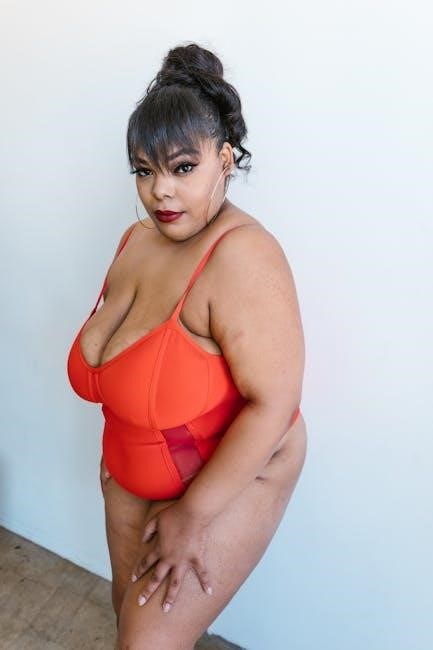
For big and tall individuals‚ standard sizing often falls short‚ necessitating a focus on shoulder width‚ chest‚ and jacket length. Prioritize a comfortable range of motion without appearing boxy. Consider the ‘drop’ – the difference between shoulder and waist measurements – for a tailored silhouette. Brands specializing in extended sizes understand these nuances‚ offering cuts designed for broader builds. Don’t hesitate to utilize custom options or alteration services to achieve a truly refined fit‚ ensuring both style and comfort are maximized.
Finding Brands that Cater to Big & Tall
Several brands excel in providing well-fitting suits for larger frames. Mens Wearhouse boasts an extensive Big & Tall selection‚ alongside custom clothing programs for personalized tailoring. Look for brands that offer wider lapels and accommodate larger neck sizes. Prioritize retailers with detailed size charts and customer reviews regarding fit. Explore brands known for their robust construction and quality materials‚ ensuring durability and a sophisticated appearance‚ even in extended sizes. Proper fit is paramount‚ so research is key!
Custom Suit Options & Alterations
Mens Wearhouse’s custom program personalizes suits to your fit and fabric preferences‚ guided by experts; alterations refine off-the-rack options for a perfect silhouette.
Benefits of Custom Suits
Custom suits offer unparalleled fit‚ addressing unique body shapes and proportions often missed by standard sizing. This meticulous approach ensures comfort and a flattering silhouette‚ boosting confidence. You select fabrics‚ linings‚ and styling details‚ creating a truly individual garment.
Beyond aesthetics‚ a custom suit reflects quality and attention to detail. It’s an investment in a wardrobe staple designed to last‚ providing a superior experience compared to off-the-rack alternatives. Mens Wearhouse facilitates this process with expert guidance.
Alteration Services: What to Expect
Alterations refine a suit’s fit‚ bridging the gap between standard sizes and your body. Common adjustments include sleeve and trouser length‚ waist suppression‚ and shoulder adjustments. Expect an initial fitting to identify necessary changes‚ followed by a second fitting to confirm the results.
Reputable tailors will discuss options and provide realistic expectations. Minor adjustments are often complimentary or low-cost‚ while significant alterations may incur higher fees. Mens Wearhouse provides alteration services to ensure a perfect fit.
Suit Jacket Sizing for Different Body Shapes
Consider your build: athletic‚ slim‚ or larger. Adjustments cater to individual physiques‚ ensuring a flattering silhouette and comfortable fit for every body type.
Athletic Build
For an athletic frame‚ prioritize shoulder fit as it’s crucial. A standard size might feel restrictive across the back and chest. Consider a jacket with a bit of stretch in the fabric‚ allowing for movement. Look for a “slim fit” or a jacket that can be tailored to closely follow your V-shaped torso.
Ensure the jacket doesn’t pull when buttoned‚ and sleeves are the correct length. Alterations are often necessary to achieve a truly tailored appearance‚ enhancing your physique rather than concealing it. A knowledgeable tailor can work wonders!
Slim Build
Individuals with a slim build often benefit from a “slim fit” or even a “classic fit” suit jacket‚ avoiding overly boxy silhouettes. Pay close attention to shoulder fit – it shouldn’t extend beyond your natural shoulder line. Sleeve length is also key; avoid excessive fabric bunching.
Tailoring is highly recommended to refine the fit‚ creating a clean and modern aesthetic. A well-fitted jacket will accentuate your physique without appearing too tight or restrictive. Consider a slightly shorter jacket length for a more contemporary look.
Larger Build
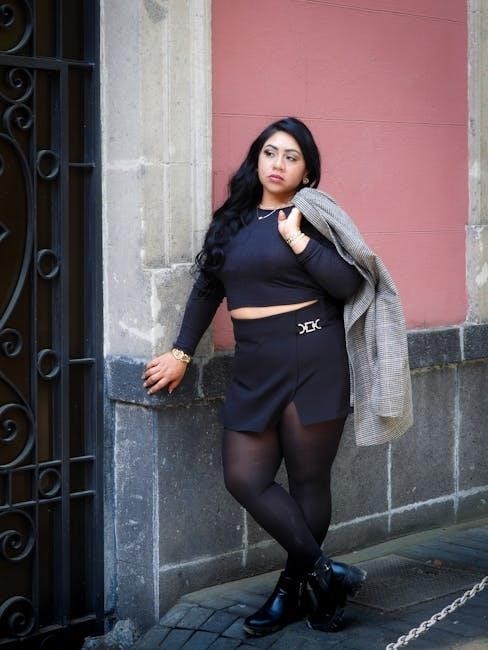
For those with a larger build‚ prioritize comfort and a flattering silhouette. Brands specializing in “Big & Tall” suits‚ like those found at Mens Wearhouse‚ are excellent starting points. A “classic fit” generally offers more room without appearing oversized.
Ensure the jacket doesn’t feel constricting across the chest or shoulders. Pay attention to the jacket’s length; it should provide adequate coverage without overwhelming your frame. Alterations are crucial for achieving a polished and proportionate look.
Understanding Drop (Shoulder to Waist Difference)
Drop‚ the difference between shoulder and waist measurements‚ impacts fit. Finding the right drop ensures a tailored silhouette‚ enhancing overall style and comfort.
What is Drop and Why it Matters
Drop in suit jacket sizing refers to the numerical difference between your chest measurement and your waist measurement. A larger drop indicates a more significant taper from chest to waist‚ often suiting athletic builds. Conversely‚ a smaller drop is better for straighter body types.
Understanding drop is crucial because it directly affects how the jacket fits and drapes. A correct drop ensures the jacket doesn’t feel too tight or too boxy‚ creating a flattering and proportional silhouette. Ignoring drop can lead to fit issues requiring costly alterations.
Finding the Right Drop for Your Body
Determining your ideal drop involves accurately measuring both your chest and waist. For athletic builds with a defined V-shape‚ a drop of 6-8 inches often provides the best fit‚ accentuating the taper. Those with a straighter build typically benefit from a smaller drop‚ around 3-5 inches‚ avoiding an overly constricted look.
Consider the jacket’s fit style; slim fit suits generally require a higher drop than classic fits. Experimenting with different drops during fitting is key to achieving a tailored appearance.
Online Suit Jacket Size Guides
Utilize brand-specific charts and carefully review customer feedback for accurate sizing; ASOS provides detailed measurement guides for jackets and coats.
Utilizing Brand-Specific Charts
Each brand approaches sizing uniquely‚ so relying on a general chart can be misleading. Always prioritize the size guide provided directly on the retailer’s website‚ as cuts and fits vary considerably. These charts detail specific measurements for chest‚ shoulders‚ and sleeve length.
Pay close attention to any notes regarding the fit – slim‚ regular‚ or classic – as this impacts how the jacket will drape. Comparing your personal measurements to the brand’s chart is crucial for a successful online purchase‚ minimizing returns and ensuring a flattering silhouette.
Reading Customer Reviews for Sizing Advice
Customer reviews offer invaluable real-world insights into how a suit jacket truly fits. Search for comments specifically mentioning sizing experiences‚ noting if reviewers recommend sizing up or down. Look for individuals with similar body types to yours for more relevant feedback.
Pay attention to recurring themes – if multiple customers report the sleeves running short‚ for example‚ factor that into your decision. Reviews can highlight discrepancies between the brand’s chart and the actual garment’s fit‚ providing a crucial layer of information.
Suit Jacket Materials and Their Fit
Fabric impacts fit; wool suits offer structure‚ linen is more relaxed‚ and leather jackets require considering their unique‚ often snug‚ silhouette.
Wool Suits
Wool’s inherent structure demands a precise fit‚ allowing for tailoring adjustments. Consider the weight of the wool – heavier fabrics may require a slightly looser cut for comfort and movement. When selecting a wool suit‚ prioritize shoulder fit as alterations here are complex. A well-fitted wool suit exudes confidence and sophistication‚ making it a cornerstone of any wardrobe. Remember that wool retains its shape well‚ so avoid overly tight fits that could restrict movement or cause discomfort during extended wear.
Linen Suits
Linen’s relaxed nature necessitates a different approach to sizing than wool. Opt for a more generous fit‚ as linen wrinkles easily and clings when damp. A slightly looser cut allows for airflow and prevents a constricted appearance. Shoulder fit remains crucial‚ but prioritize comfort over a super-slim silhouette. Linen suits are ideal for warmer climates‚ offering breathability and a casual elegance. Embrace the natural texture and drape of linen‚ and avoid overly structured styles.
Leather Jackets (as related to suit jacket fit principles)
While distinct from tailoring‚ leather jacket fit shares core principles. Shoulder width is paramount‚ ensuring a comfortable range of motion. Chest measurement should allow layering without strain. Sleeve length impacts overall proportion; avoid excessive bunching. Leather doesn’t stretch significantly‚ so prioritize accuracy. Consider the jacket’s style – a fitted biker demands precision‚ while a relaxed bomber offers more leeway. Proper fit elevates both leather and tailored looks.